2024’s efforts meant I read far far more than I had imagined I would or indeed could. I’m genuinely astonished that I reached 45 books in a year. It’s clear that reading is a bit of a muscle, the more I read, the easier and faster it gets to read and the more I want to read. If there is a cost it is definitely less time on other free time pursuits, and perhaps sleep. But that’s better than netflix right?
Anyway, new year, new books.
In 2025 I’m doing something slightly different. In the interests of trying new things, I would like to read my way through the Penguin list of 100 must-read classic books (not just this year, obviously!). Actually, scanning through the list I can see I’ve already read quite a few, including some of my absolute favourites, so it seems promising to try to read the rest. Let’s see how far we get. I’ll (lightly) review as I get through them. There’ll certainly be some other books interspersed too, not least because our wonderful librarians keep offering new and tempting books. So here is the list of books of 2025.
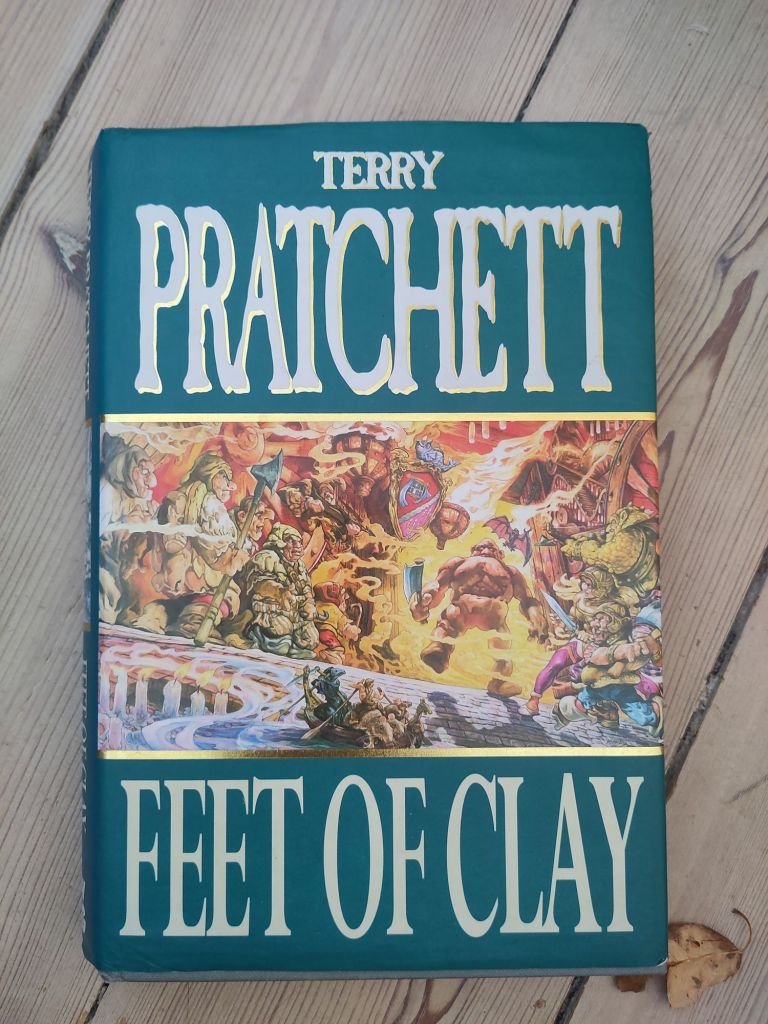
28 Feet of Clay, Terry Pratchett
A good old favourite. And alas ever more relevant. Terry Pratchett was clearly trying to warn us…
23-27 The Lockwood Series, Jonathon Stroud
Hadn’t really planned to read these, but after Netflix cancelled the series based on the 2 books I was kind of forced to. Very well plotted, the writing improves over the series, could have used a bit more editing of some scenes though. Delightfully scary, the characters are sympathetic (mostly) and the story arc quite gripping. I ploughed through them in about a week, but they’re young adult and not particularly challenging reading. Not a bad series if you’re looking for something for a teen. In some ways the Netflix series is better than the books.

22. Walking Europe’s last wilderness, A journey through the Carpathian Mountains by Nick Thorpe

21. How big things get done, Bent Flyvbjerg and Dan Gardner

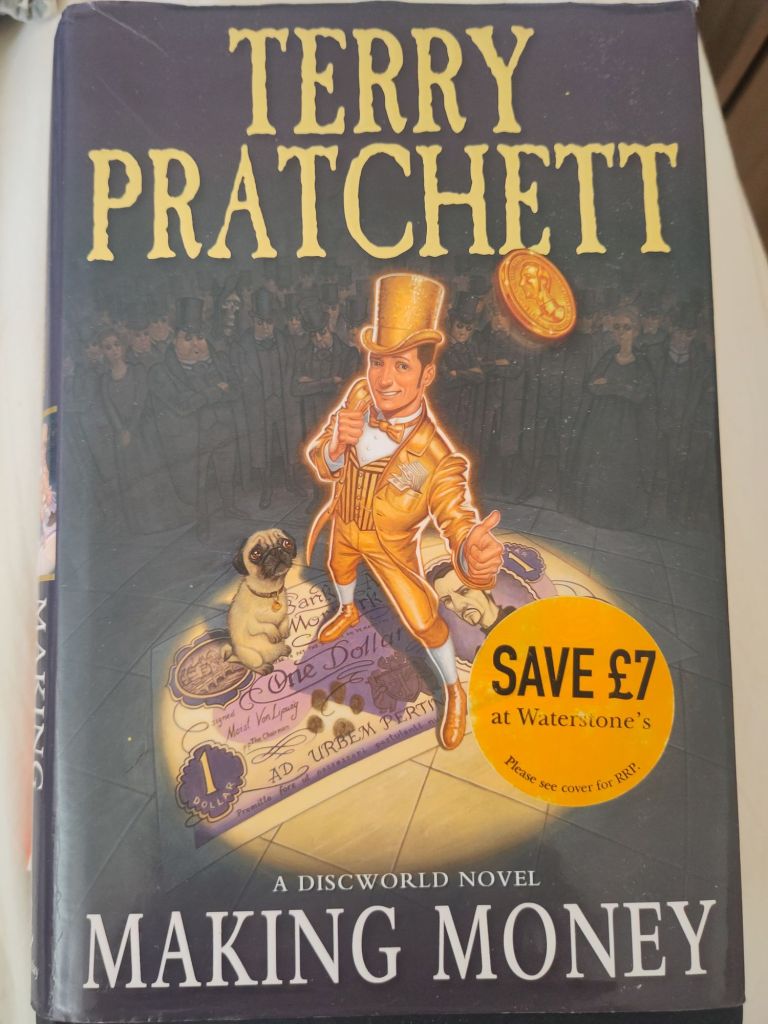
20. Making Money, Terry Pratchett
Oddly, the first time I’ve read this all the way through. It’s not as good as Going Postal.
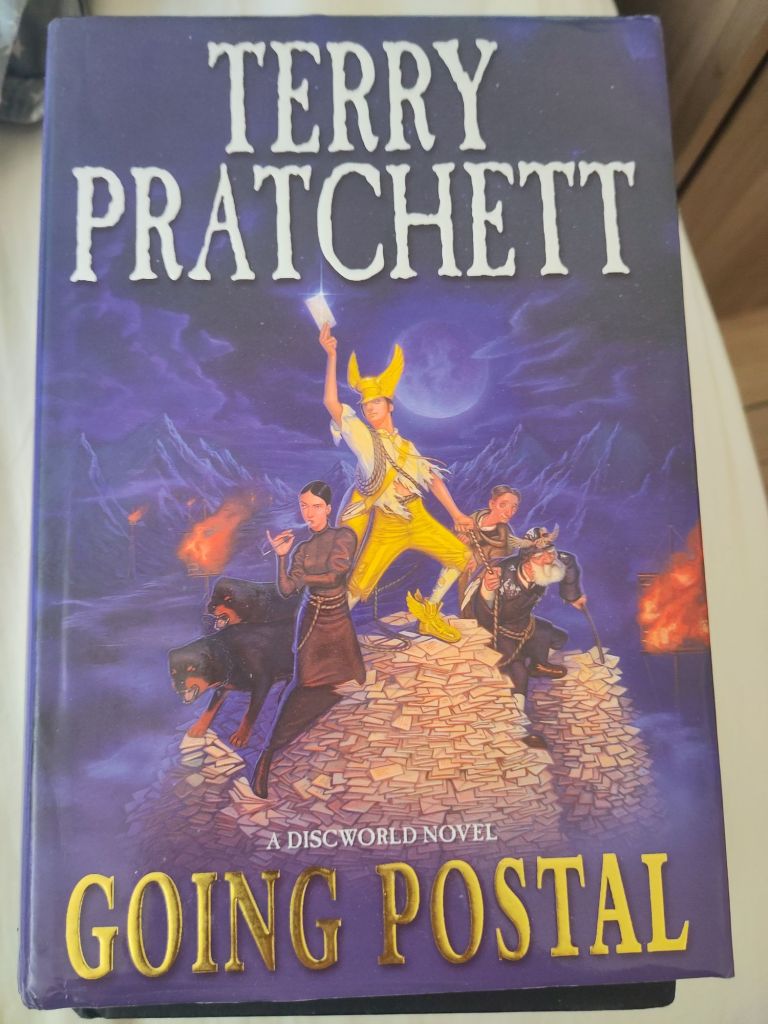
19. Going Postal, Terry Pratchett
Beloved classic, read again.
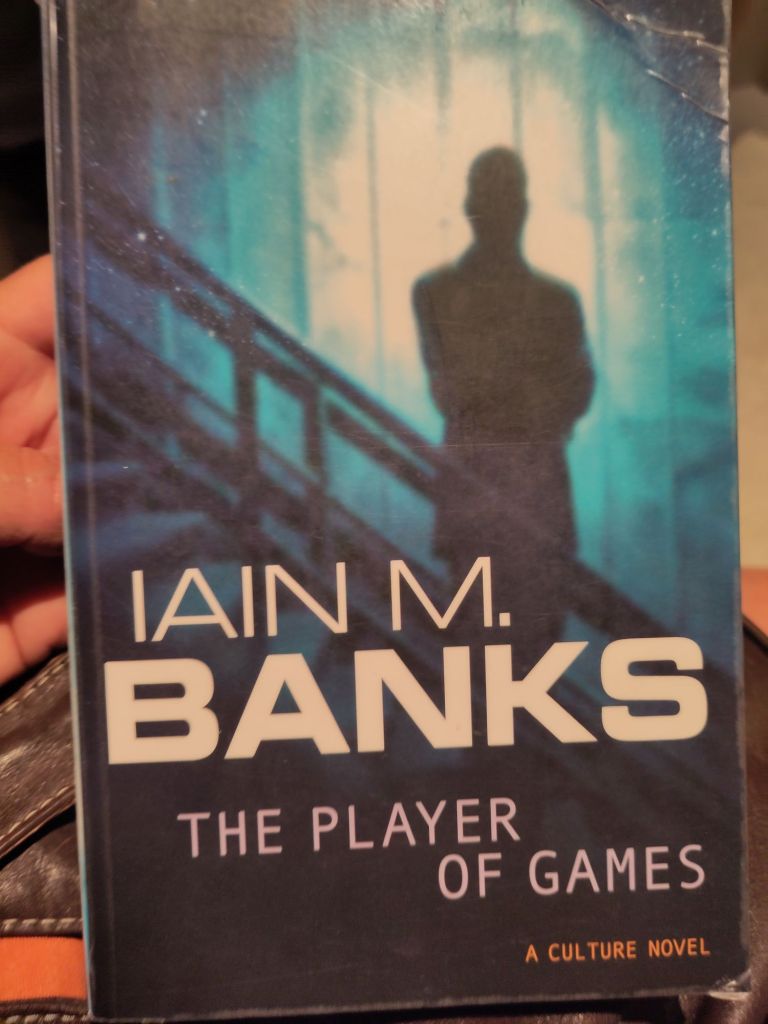
18. The Player of Games, Iain M. Banks
My introduction to Iain M. Banks culture series, though I’ve read several of his other novels. Utterly gripping. I’ll be thinking about this for days.
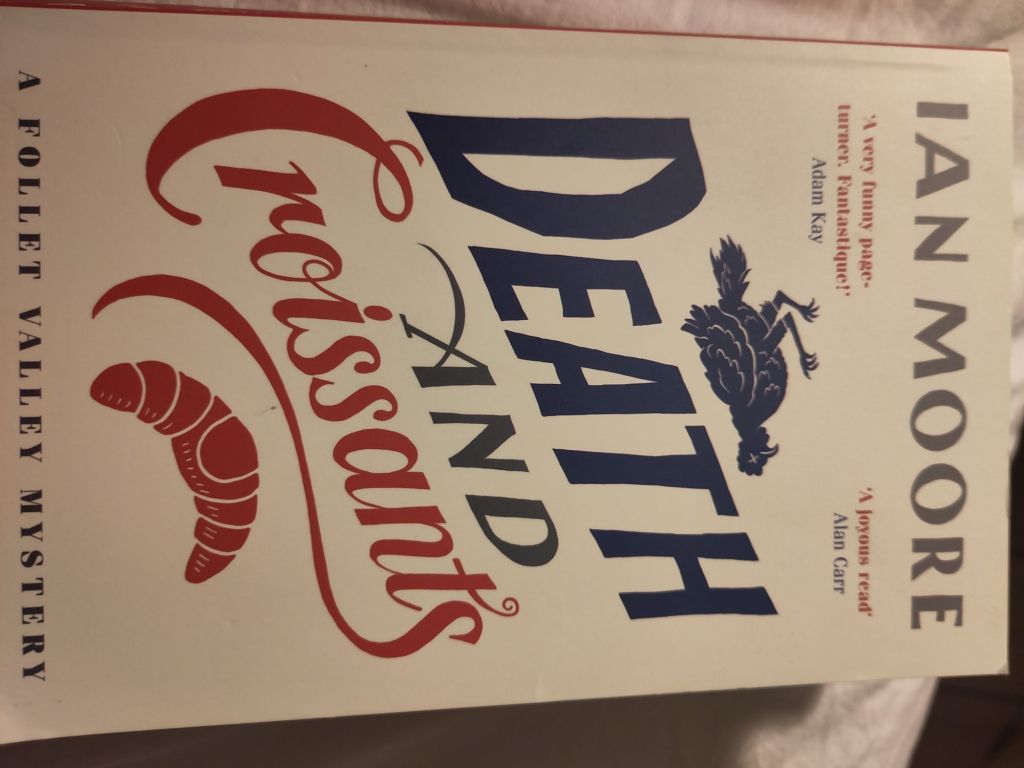
17. Death and Croissants, Ian Moore
A harmless pastiche of the hapless Englishman in France gets involved in murder type novel.. Easy and relaxing reading.
16. When Money Dies, Adam Fergusson

15 Investing Demystified, Lars Kroijer

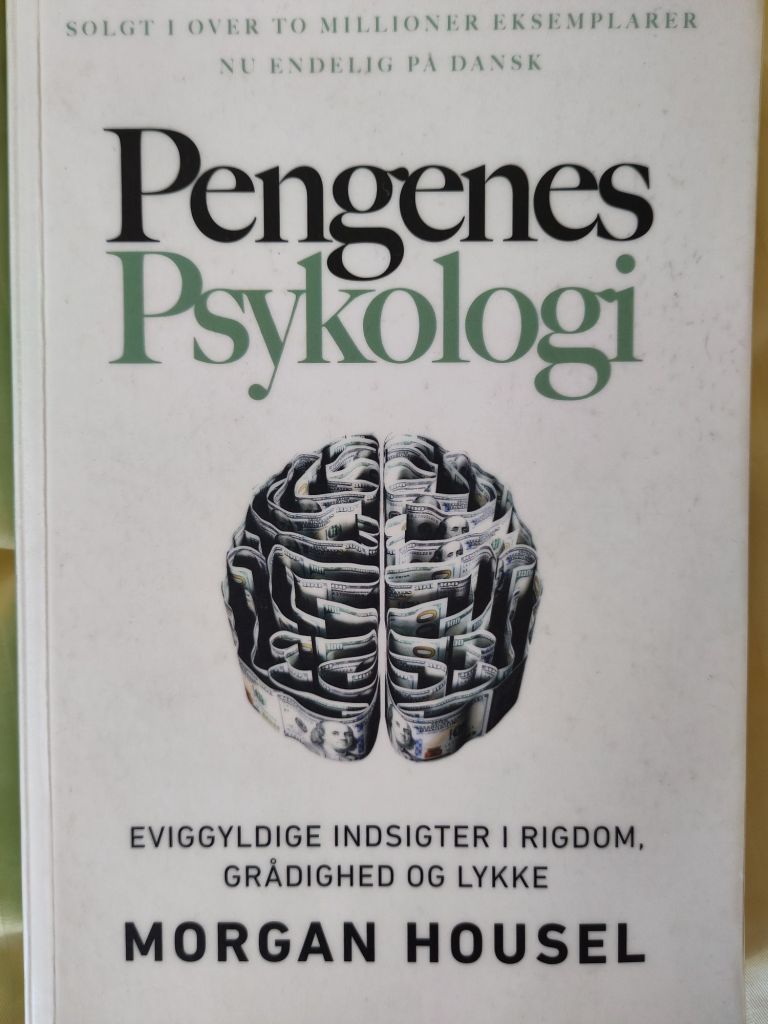
14. Pengenes Psykologi, Morgan Housel
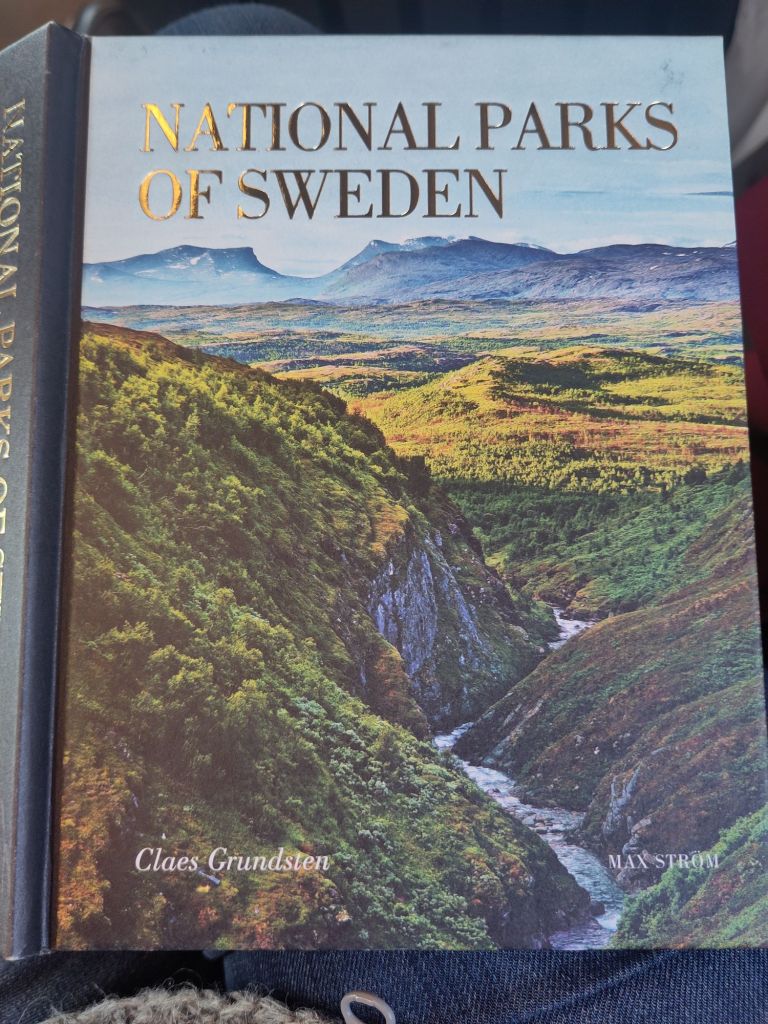
13. National Parks of Sweden, Claes Grundsten
12. The ice-free Greenland, from molecule to landscape, Bo Elberling

11. Gavrilo Princip, Henrik Rehr

A wonderful graphic novel telling the biography of Gavrilo Princip and the shots that echoes around the world. It’s beautifully drawn and scripted, utterly grippingly told. A huge recommendation and yet another fantastic illustration of how a good library will take you places you never dreamed of.
10. Ultraforarbejdede (ultraprocessed) by Dr. Chris van Tulleken
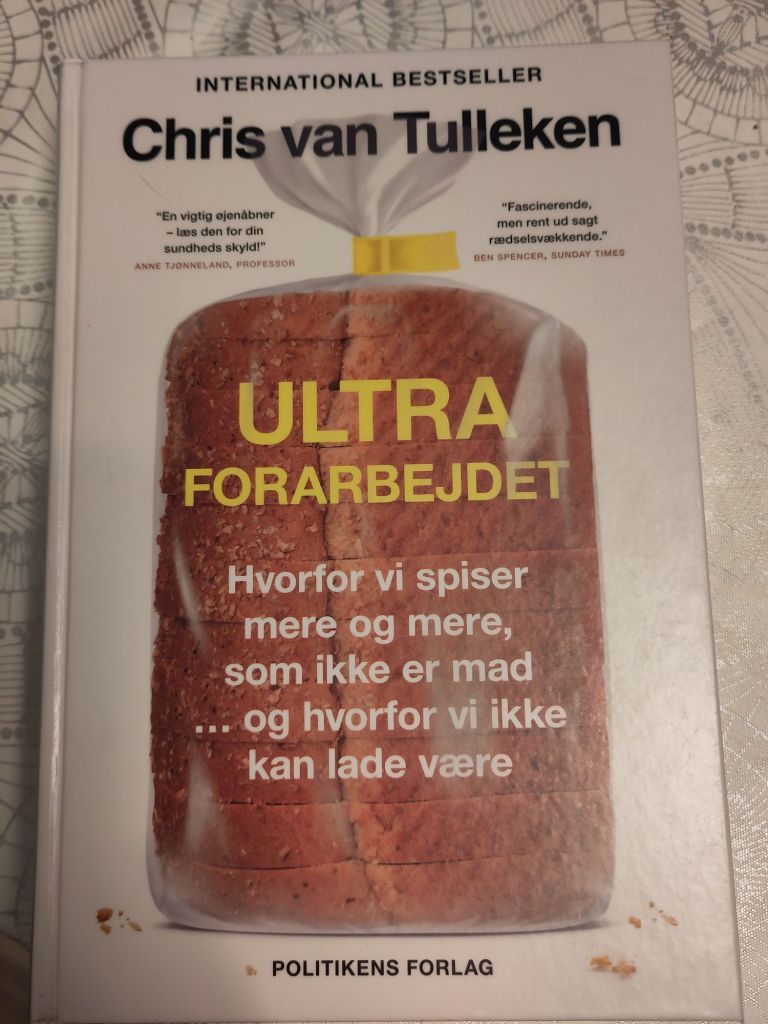
I’m still not quite sure what to make of this book. I was recommended it by a friend, the kind of recommendation you can’t really ignore, and the wealth of detail and research on display is truly impressive. The evidence against ultraprocessed food is certainly stronger than I’d expected. And yet there is also the well acknowledged weakness that there is still no really good definition of ultraprocessed food. And it’s still very much something, also acknowledged in the book, that is in part a proxy for social inequality. Clearly some foods are making people who eat them sick. I visited the UK while reading this book and a single visit to the supermarket was enough to show why it seems a particular problem there. Not that Danish supermarkets don’t seem to be making haste to catch up. At the very least, it’s worth engaging with this material, and Zetland magazine have made a good stab at this, so take a look there for a danish angle.
But how to tackle the problem is much less clear. Nonetheless, it’s worth a read to help make your own mind up.
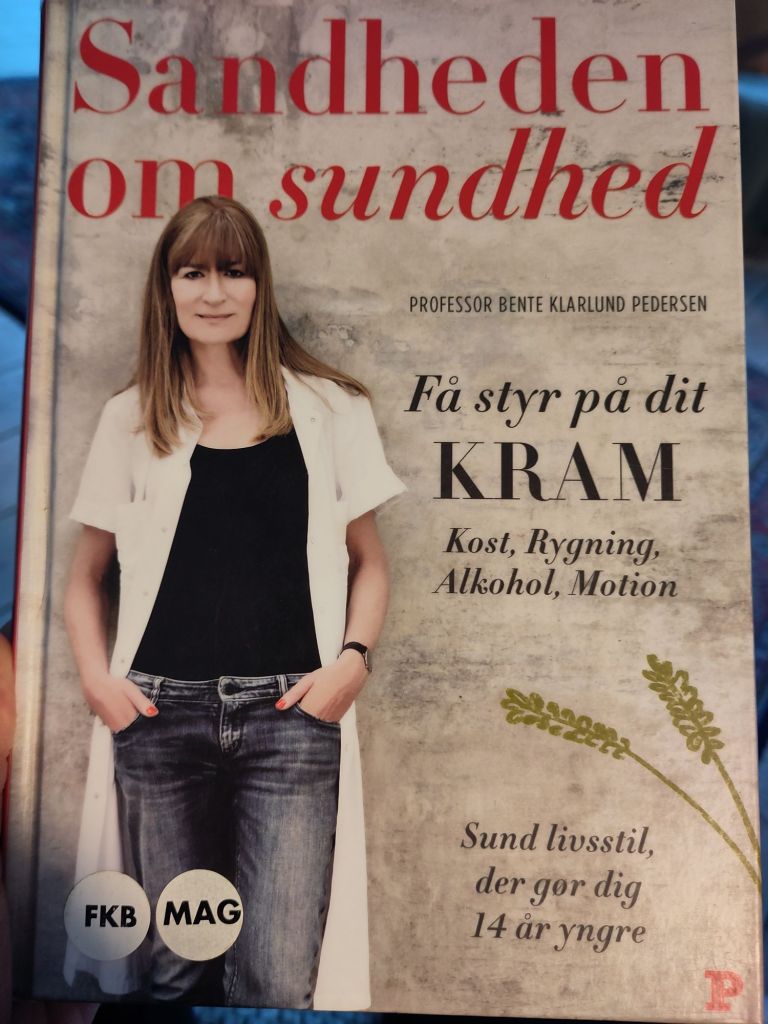
9. Sandheden om sundhed, Prof. Bente Klarlund Pedersen
8. How to be a better tourist, Johan Idema
A breather lightweight book, it borrows much from The art of travel, but without the intellectual depth. Nonetheless, the average Instagram influencer might learn something from it.

7. I capture the castle, Dodie Smith
A very different book to number 6 but charming and thoughtful and thought-provoking nonetheless. I can see why it’s a classic. I only knew Dodie Smith for 101 Dalmatians, this is a very different book, and explores poverty, class and US-UK reactions in a very different way.

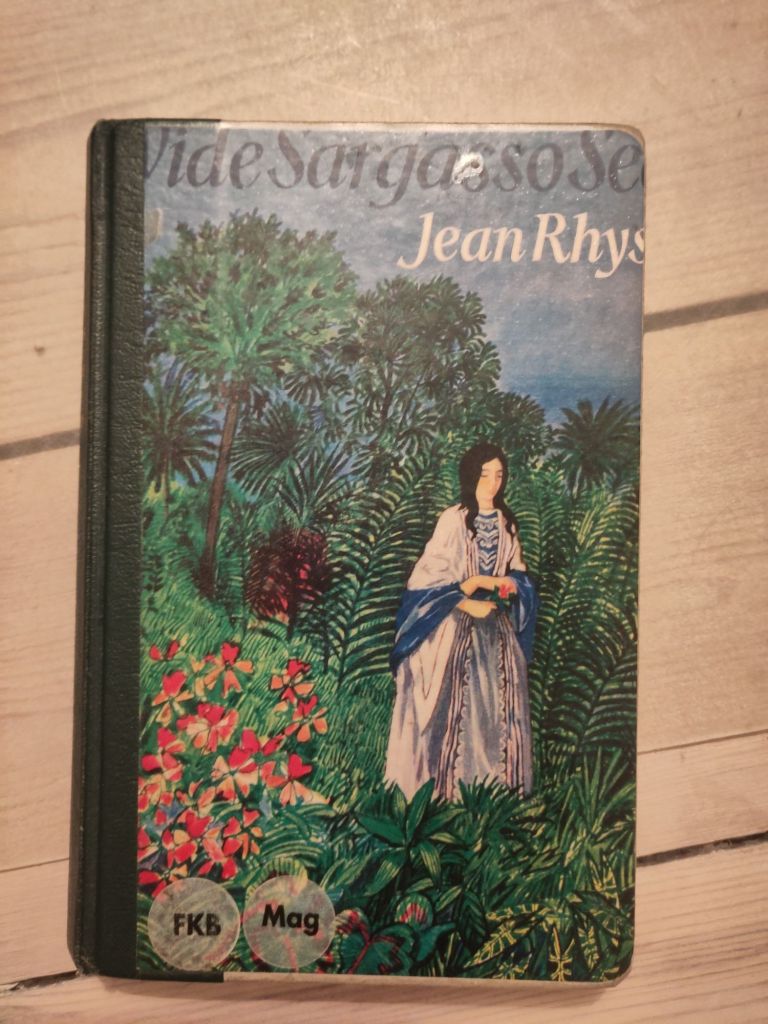
6. Wide Sargasso Sea, Jean Rhys
This is a book that will haunt me. I stayed up far too late to finish it. It’s definitely one for the tradwives out there to ponder, what is the fate of neglected and abused young girls whose fortune belongs to their husbands without recourse when they marry? But it’s far more than a tale of lost love, though certainly clear open and honest communication might have helped to prevent the tragedy at the heart of Antoinette’s life. It’s also a book about the long tail of suffering brought by slavery, colonization and racism, and the corruption at the heart of society that persists.
The depiction of the Caribbean islands, so lush and beautiful, become increasingly sinister, Mr Rochester, the hero of Jane Eyre, also seems first captivated and later threatened and overwhelmed by it. The writer also performs an extraordinary feat in describing the state of mind of Antoinette (Bertha, the mad woman in Mr. Rochester’s attic). There are hints of her ultimate fate but never gratuitous. It’s an extraordinary book, well deserving of its place on the Penguin 100 greatest list.
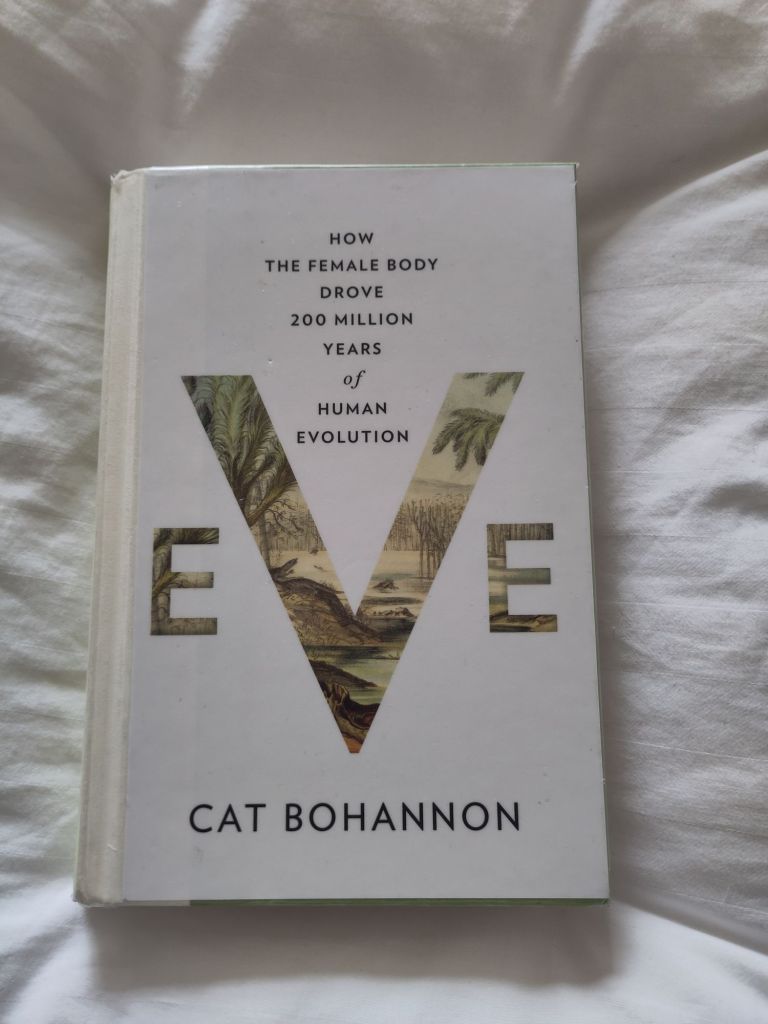
5. Eve, Cat Bohannon
One of the best non-fiction books I’ve ever read. Subtitled “How the female body drove 200 million years of human evolution”, it has the curious knack of turning everything you’ve heard previously about human evolution and viewing it through a female lens. The current plutocracy in the USis going to hate this book. It’s extremely thoroughly researched, well written, funny, and not above killing some sacred cows. And finally I understand quite a few things about my own biology. I will be handing it over to female family members next, but perhaps it’s even more important for the men to read.
Five stars.
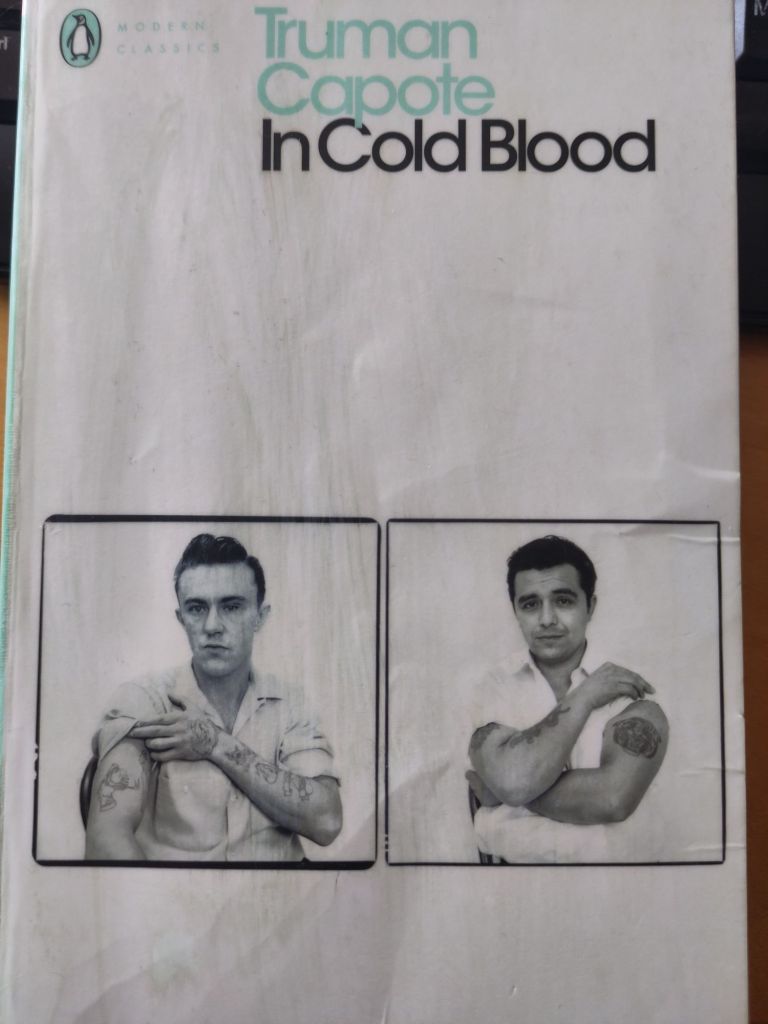
4. In cold blood, Truman Capote
The first of the penguin 100 books this year and honestly I appreciated this book a lot more than I thought I would. I’m not big into true crime genre. I tend to think of it as exploitative, and the two criminals in this book are ugly and have had at least in one case terrible lives but they also hold a grim fascination. But ultimately it’s also a book about the banality of evil, only wrapped in such beautiful description that it’s sometimes hard to remember what horrific events it is depicting. Occasionally Truman Capote falls into the trap of focusing so much on the perpetrators that the victims feel like flatter and less real people. Perhaps that is inevitable when they could hardly speak for themselves. The depiction of the underworld of the post-war US is certainly far from a glamorous depiction. Overall, I can see why it’s a classic. If you are interested in true crime, this is certainly one to read, it sets a high bar. It’s also a very effective vaccine against over-romanticising the 1950s.
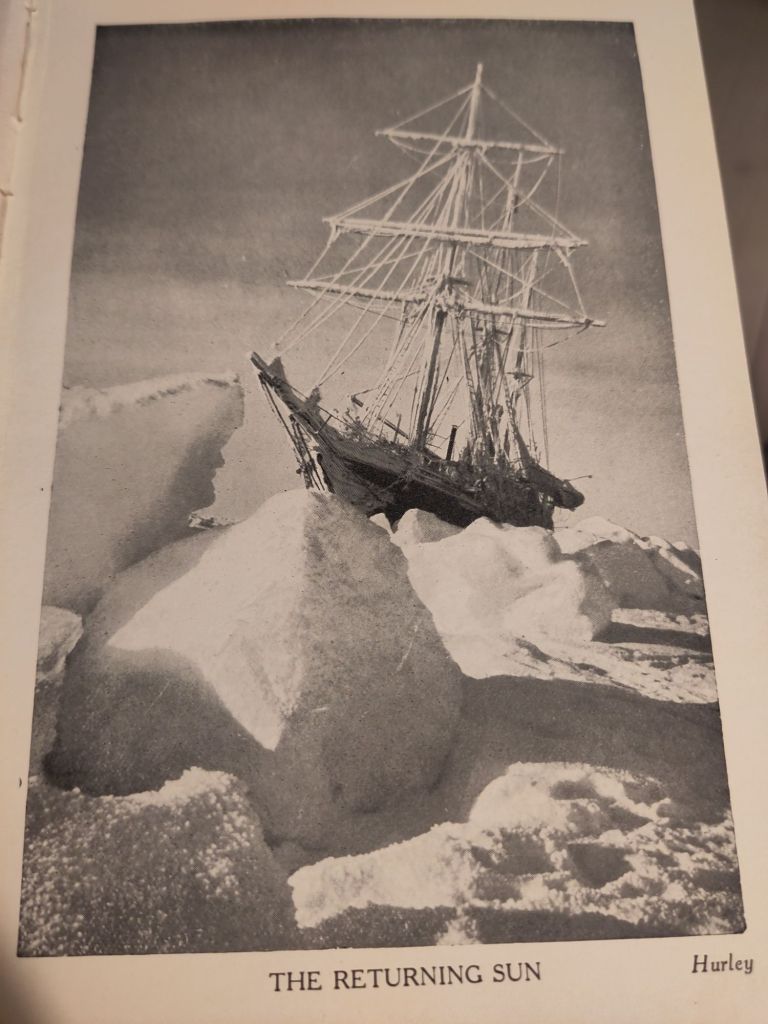
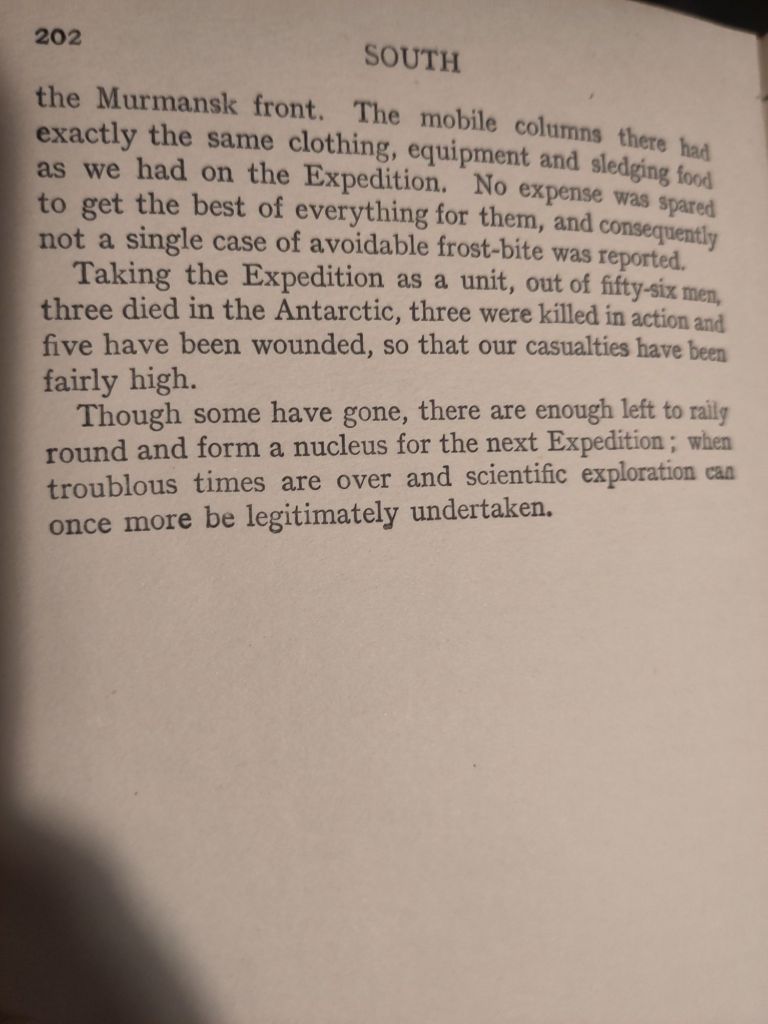
3. South, by Sir Ernest Shackleton
It’s a classic of the Antarctic and polar exploration literature in general, a ripping yarn as they say, but told in characteristically understated tone. And bookended with some rather repetitive and technically rather boring details on sailing in the pack ice, clearly not an undertaking to be underestimated.
There are some interesting parallels with today: the outbreak of the first world war, just as the Endurance is about to leave harbour in the UK. Of the 53 who survived the Endurance expedition, 3 were later killed in action during the first world war, a fate that seems too cruel. My colleagues in the Ukrainian Antarctic science centre are now faced with the same choices. TT
As always with these kind of books, I end up feeling a bit ambivalent about them, clearly these people survived extraordinary hardship, but was it worth it?


2. Den Kriblende Have (The Garden Jungle), by Dave Goulson

Funnily enough, I enjoyed this one even more in Danish than I did in English. I’ve read a few of his books over the years and he’s definitely improved as a writer. There’s lots of practical science in this one, well beyond the usual advice to leave your garden a bit untidy and dig a pond. Some very sweet anecdotes too. I found it rather inspiring.
1. Kriseklar? Eksperternes bud på hvordan du bliver klar til at håndtere en krisesituation, Astrid Sejersen and Mette Faaborg Legarth Carlsen with Rasmus Dahlberg

Last year the Danish authorities sent everyone a leaflet (a pdf actually, we’re one of the most digitalised societies in the world), warning us to be prepared for different types of crisis and with a list of expectations that each household should be able to look after themselves for 3 days. The reason is not, both leaflet and this book explain very carefully, and repeatedly, because we should all suddenly become preppers, but more because if most of society can look after themselves for a few days, it gives the authorities breathing space to focus on solutions and on the vulnerable who cannot look after themselves as well. The book is more or less an expansion on the leaflet, with a thorough dive into different aspects from food and heating to transport and money. The emphasis is very much on the simple practical things and reminded me very much of the periodic power cuts I remember from my childhood. I realised I haven’t been in a power cut for decades perhaps, so maybe it’s worth practicing – at least for the sake of my kids who, in retrospect, have had a very pampered upbringing. Maybe a little harmless adversity is no bad thing in preparing for future disorder. Anyw
Anyway, this was a nice practical book, helping to think through all the things we should be prepared for, without being at all alarmist or veering towards right wing individualistic prepping culture. We live in societies, as COVID taught us, we should prepare to continue to live in societies even when things are going less well..
The list of Penguins classic 100 books starts here, I have bolded the ones I’ve already read:
- Pride and Prejudice: I read this many many years ago when I was still at high school. I enjoyed it a lot. Considerably more than I’d expected given the book is 200 years old. The language is still very easy and fun to follow. May take it up over Christmas
- To Kill a Mockingbird: A main stay of GCSE english syllabus and a book that I think I have enjoyed more pondering over as an adult than I did as a spotty 15 year old. I bought the sequel (To set a watchman) published many years later, but I haven’t yet read it. I prefer to think of Scout as forever a scrappy adolescent with a strong sense of justice. Perhaps I’ll get to that later this year…
- The Great Gatsby: Also on the english syllabus, though for A-level. I *loved* this book. I still find it insightful, especially as the egalitarian world we thoguht we were inheriting seems to be sliding back to the haves and have-nots. Endlessly quotable. May see if I can dig out my old copy and check if it is really as good as I remember
- One Hundred Years of Solitude: I had a latin american magical realism period as a student (didn’t we all?), partly also due to spending some time in various places in South America at that point. Really enjoyed this book, but my memory of it is a bit hazy in places. I think I may need to re-read this one.
- In Cold Blood. The first one on the list I hadn’t read. Number 4 this year!
- Wide Sargasso Sea. The second one on the list to be read this year. Also, book number 6 of 2025.
- Brave New World. Read this as a teenager and was somewhat horrified at such a depressing view of the future, and even back in the 1990s it felt dated. I think the technological developments haven’t really stood the test of time, but there are certainly some cultural developments which have their parallels.
- I Capture the Castle
- Jane Eyre: A classic. Probably my favourite Bronte (even more so than Wuthering Heights, which I find a little overwrought). I will think differently of it now I’ve read Wide Sargasso Sea…
- Crime and Punishment
- The Secret History
- The Call Of The Wild, Jack London. Not quite sure what I expected but not this. It was a really good book, certainly a “ripping yarn” and highly atmospheric. But the animal cruelty, the colonialism and racism were also a bit off-putting. Nonetheless. I can see why it made the list, and surely it counts as somewhat historically accurate?
- Persuasion, Jane Austen
- Les Miserables
- Moby Dick
- To The Lighthouse
- Death of the Heart
- Frankenstein
- The Master and Margerita
- The Go-Between
- The Iliad
- One Flew Over The Cuckoo’s Nest
- 1984
- Catcher in the Rye
- Beloved
- Code of the Woosters
- Dracula, Bram Stoker. This featured in 2024’s list and was indeed a good read.
- The Outsiders
- The Chrysalids
- War and Peace
- Great Expectations, Charles Dickens. Another mainstay of the GCSE English literature curriculum. I disliked it intensely when we read it, but it’s definitely grown on me. I think I appreciate the description and atmospheric writing now, as a stroppy 14 year old, I was much more interested in plot and somehow great expectations did not catch on.
- Another Country
- Catch 22
- The Age of Innocence
- Things Fall Apart
- Middlemarch
- Rebecca
- Tess of the D’Urbevilles
- Vanity Fair
- Brideshead Revisited
- Madame Bovary
- The Mill on the Floss
- Barchester Towers
- Lady Chatterley’s Lover, D.H. Lawrence. I’m not sure what the fuss was all about to be honest. Not generally a Lawrence fan though, I find his books a little dull, perhaps I should re read it?
- The Count of Monte Cristo
- The Grapes of Wrath
- Ulysses
- East of Eden
- Lord of the Rings
- The Brothers Karamazov
- Buddenbrooks
- Lolita, Vladimir Nabokov Read it some years ago. A rather sordid novel in many years, but Nabakov certainly has a way with words.
- Secret Garden, a massive family favourite – usually gets an audiobook outing on long car trips. On one memorable occasion the kids refused to leave the car for a walk around after a 3 hour drive because they wanted to keep listening. The casual classism and sexism is a bit cringe these days, but there’s more to this book than you first think. A pity Mary is eclipsed in the later chapters
- Scoop
- Love in a cold climate
- A Tale of two cities, Charles Dickens
- Diary of a nobody, read it as a teenager and it’s genuinely funny. I wonder what today’s teenagers would think of it though?
- Anna Karenina
- The Betrothed by Alessandro Manzoni
- Orlando by Virginia Woolf
- Atlas Shrugged by Ayn Rand
- The Art of War by Sun-Tzu
- The Time Machine by H. G. Wells
- The Forsyte Saga by John Galsworthy
- Travels with Charley by John Steinbeck
- Tropic of Cancer by Henry Miller
- Don Quixote by Miguel Cervantes
- Staying On by Paul Scott
- The Wind in the Willows by Kenneth Grahame
- The Quiet American by Graham Greene
- Wuthering Heights by Emily Brontë
- Perfume by Patrick Süskind
- The Adventures of Huckleberry Finn by Mark Twain
- Of Human Bondage by Somerset Maugham
- Bleak House by Charles Dickens
- Sense and Sensibility by Jane Austen
- The Picture of Dorian Gray by Oscar Wilde
- A Christmas Carol by Charles Dickens
- Silas Marner by George Eliot
- Mrs Dalloway by Virginia Woolf
- Little Women by Louisa May Alcott
- The Sea, The Sea by Iris Murdoch
- David Copperfield by Charles Dickens
- The Castle, Franz Kafka
- I, Claudius by Robert Graves
- I Know Why the Caged Bird Sings by Maya Angelou
- A Confederacy of Dunces by John Kennedy Toole
- The Razor’s Edge by W. Somerset Maugham
- Lark Rise to Candleford by Flora Thompson
- The Return of the Native by Thomas Hardy
- A Portrait of the Artist as a Young Man by James Joyce
- Heart of Darkness by Joseph Conrad
- North and South by Elizabeth Gaskell
- The Handmaid’s Tale by Margaret Atwood
- Giovanni’s Room by James Baldwin
- The Godfather by Mario Puzo
- The Woman in White by Wilkie Collins
- One Day in the Life of Ivan Denisovich by Alexander Solzhenitsyn
- White Nights by Fyodor Dostoyevsky
- Hard Times by Charles Dickens
 Sterna Paradisaea