The curious case of the moving trees…

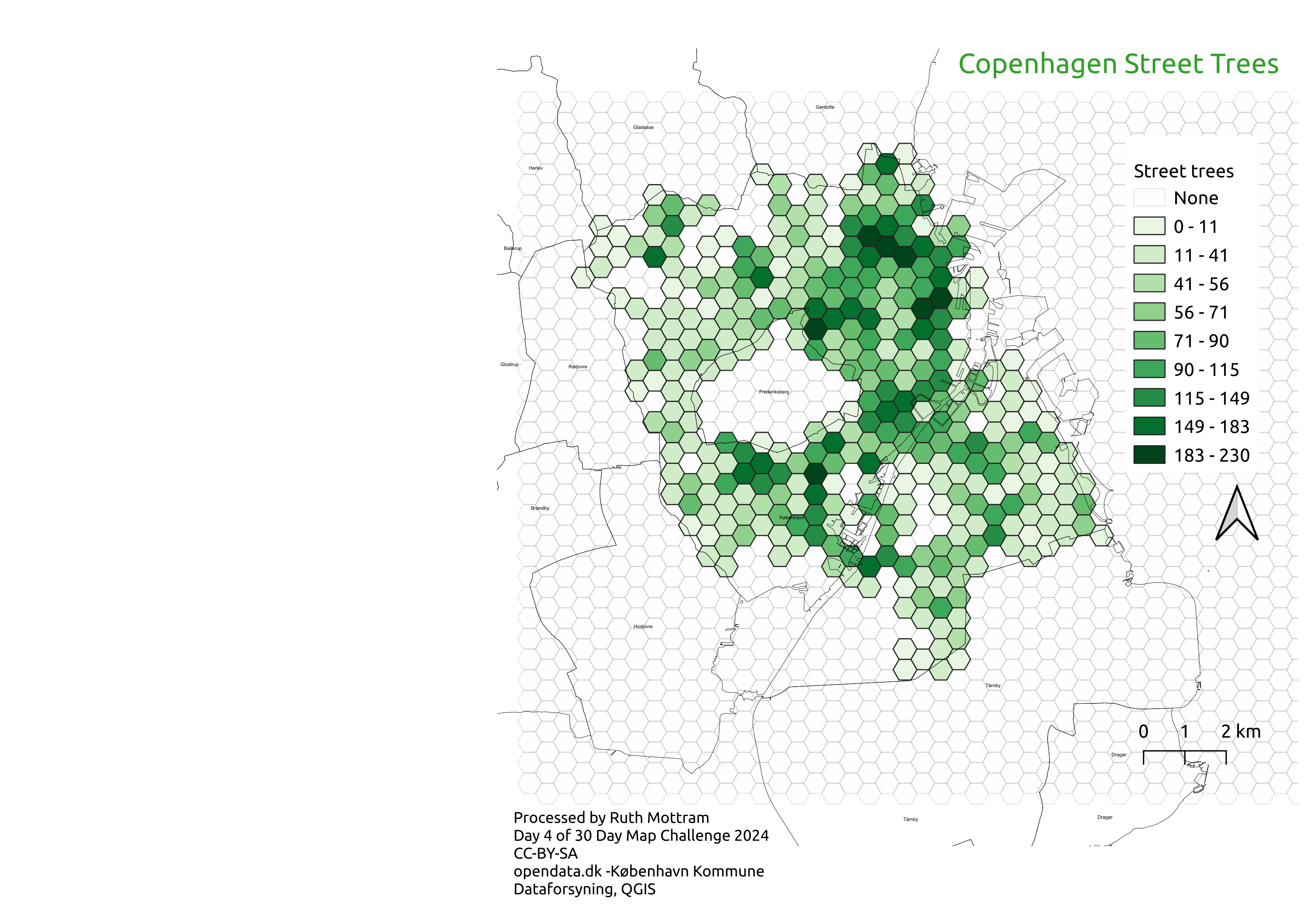
Yesterday in 30 Day Map Challenge I rather hurriedly made a map showing the density of street trees in Copenhagen shown as hexagons. However, there is a big gap in the overall map, because the dataset I used only covered Copenhagen Kommune (local authority) area and Frederiksberg is a separate local authority area where I could not find the data. This was, to put it mildly a little irritating.
A fellow mastodon user (@tlohde) suggested using the outputs from openstreetmap to fill out the gaps. (And even helpfully provided some code to do so, which should tell you a lot about why I like mastodon so much). A very hurried 10 minutes reprocessing gives the revised map on the below, which has happily filled in much of the Frederiksberg gap. However, a closer comparison with the previous version above shows that, it’s not nearly the same…
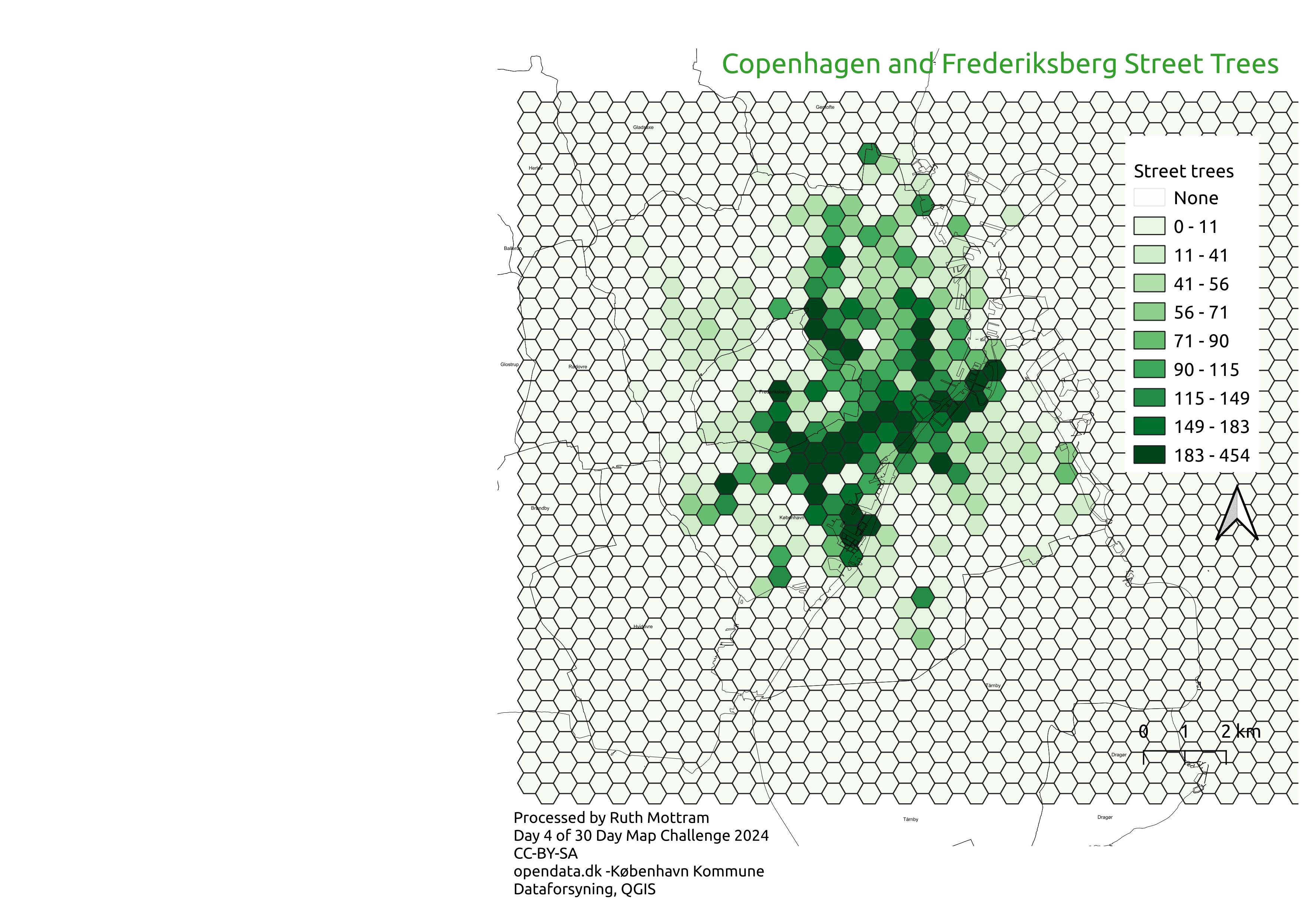
The first thing to note is that the maximum number of trees in a polygon from the OSM data is 454, almost twice the 230 from the Copenhagen city council data set. The second thing is that I’m unsure exactly what time periods the Copenhagen data is from. It’s possible there has been a wholesale planting since the original data was collected, but there is no date on the opendata.dk page to indicate when it was sampled, so I can’t know how up to date it is. Openstreetmap may also be missing data of course (and a small remaining gap in northern Frederiksberg suggests it might be). However, the whole central axis of the plot has changed too.

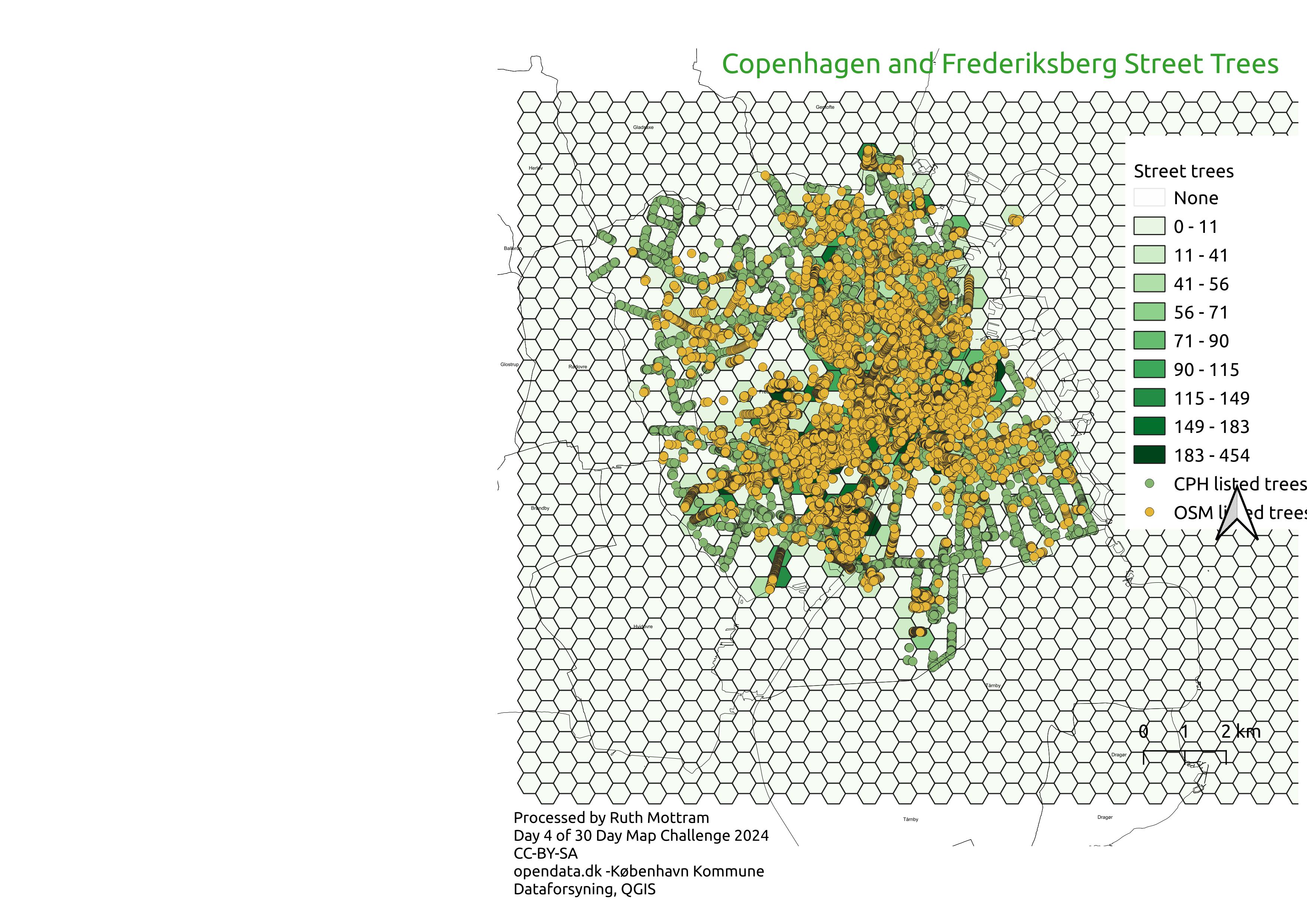
I overlaid the individual trees on the map plot, the two are quite similar, and the long lines suggest tat plantings are following major roads in the city. I wonder however if the main difference is one of definition. Perhaps street trees from the Copenhagen kommune dataset does not include parks and of course those on private property, compared to those in OSM?
Does it really matter? Well maybe. Street trees provide a valuable service in communities: they shade the streets in hot summer days (and can lead to substantial cooling). They also soak up rainwater and their flowers and fruit feed city ecosystems, quite apart from their aesthetic properties. How to protect, conserve and expand the numbers if we don’t know where they are? Or are not for that matter?

I don’t really have time to dig down into this mystery further. 30 Day Map challenge is really about the tools but either way it’s a lesson. No matter how clever the tool, if the underlying data is missing, wrong or otherwise biased in someway, the map will also be wrong.

I’m tempted to add, that all maps are wrong, but some of them are useful..
Bringing back the wild to Europe

Today the European Council is debating (behind closed doors), the proposed Nature Restoration Law – there has been heavy lobbying by several EU countries to water down the provisions. I believe this is a mistake and last week I and almost three and a half thousand other scientists signed a petition saying so.

It has now been reopened for signatures. Please do sign if you feel strongly about it. It’s worth a read anyway as the organisers (probably being scientists!) have written out what the agreement means in admirable clarity:

https://umfrage.uni-leipzig.de/index.php/837218?lang=en

Europe is a nature depleted continent already – restoring, or at least preserving what we can is going to be crucial in coming decades. And where Europe leads and sets strict environmental standards, other countries follow.

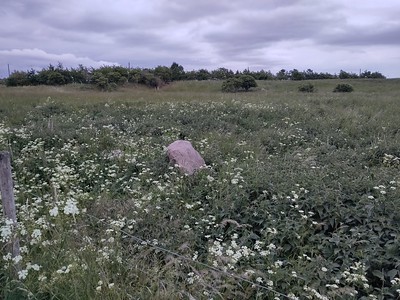
Rough land which has been allowed to turn into a wildflower haven in Copenhagen

I am a climate scientist who has become increasingly interested in and concerned about biodiversity. I have had a deep love and sense of wonder about nature since I was a kid – and probably my interest in glaciers and weather and climate have in in part grown out of that. I’m not a biodiversity expert, but I am acutely aware of the impact climate change is already having on the biosphere. It is at a fundamental level very hard to separate climate from biodiversity and probably unwise to try.

In the past I’ve considered it was a scientist’s duty to advise impartially and therefore to be politically completely inactive, I have regretfully come to the conclusion that actually, maybe we as a community do need to push a little more firmly in the direction our science is actually pointing us. Perhaps it is in fact irresponsible not to be involved?

As the great atmospheric chemist and Nobel Laureate Sherwood Rowland once said (in 1986!):

“After all, what’s the use of having developed a science well enough to make predictions, if in the end all we’re willing to do is stand around and wait for them to come true?”

Brodeur, 1986

This quote is something I have thought long and hard about myself. And I’m not the only one in the climate field for sure. If our biodiversity colleagues are also wrestling with this, then I also recommend this brilliant piece by NASA GISS scientist Gavin Schmidt in the Bulletin of Atomic scientists.

The petition I linked to above has been organised by german scientists, experts in ecology and biodiversity. They emphasise:

“Being proactive is thus important. We would therefore appreciate if you found your way of communicating this letter in your surroundings, and help delivering the science to whoever may be interested in it. The purpose is not to lobby but rather to support, to offer help, maybe even mediate where possible.”

We’re scientists and we’re also public servants.

Use us to help guide policy. If scientists are ringing alarm bells, then somewhere there is a fire…

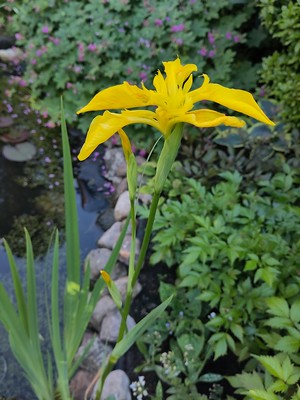
Yellow flag iris around a wildlife rich garden pond.

The Arctic Tern

Sterna Paradisaea is the Arctic tern. This amazing little bird lives around 30 years in the wild and every year completes the longest migration in the world, flying from the Arctic, where it breeds, to the Antarctic to feed. It sees more daylight than any other creature and is not only a great endurance flier but a marvellously agile one, a true aerial acrobat like a marine version of the more familiar swallow. It is also a brave parent, chasing away much bigger animals from it’s ground nesting colonies and braving attacks by skuas and other aerial pirates to feed its young.

It has been my privilege and delight to observe these birds while doing fieldwork in Iceland, Svalbard and Greenland. Some years ago while working out of UNIS in Svalbard, I found a desk in an empty office that overlooked a colony. Over 4 short weeks, albeit of continuous daylight, I was able to watch the spectacular aerial courtship displays, the ultra brief matings, the brooding of eggs, the feeding and raising of young and the eventual fledging of new individuals. I had never known I was a nascent birdwatcher before this.

I have decided to start a blog, partly to share my opinions with the world (and thus avoid boring my long-suffering friends), but mainly to improve my writing by preparing short easy to read pieces in an every day style.  I chose the Arctic tern as a symbol of the wide range of subject areas I want to cover. I also like to think that as scientists we are in a constant chasing of the light, and in my field of climate research especially, trying to evade and chase off predators and pirates.

As a scientist, I often feel I am not very good at communicating with non-scientists and I hope this blog will provide me with some good practice and discipline, and of course I hope it will provide you, dear reader, with some interesting diversion. Please feel free to comment and provide feedback on my subjects and my writing style.