
It’s been a good start to the field season, incredible competent logistics, great field equipment, super helpful colleagues and incredible food by the station cook. For the first time ever I suspect I’ll be putting on weight in the field. But everything also takes a lot longer in Antarctica so little in the way of actual scientific results to report yet. Nevertheless we’ve some tantalising hints of some interesting processes and we’ve been settling in to the expedition frame of mind.
We had a very good flight from Oslo, a small delay in Prague notwithstanding, very friendly cabin crew and 3 seats each to lie across meant a relatively good sleep and a decent amount of work finalised on route.

Similarly, in Cape Town, mostly spent in a hotel room finishing off reports, except for dinner and an occasional walk. And then a very smooth and easy 5 hour flight first to Troll, to be met by welcoming Norwegian colleagues and a vintage Basler (a DC3 airframe dating back to 1944, but with new engines – I’ve seen it in Greenland before – it still works!), that took us more or less directly to Wasa, where our Swedish colleagues met us on the glacier runway. And what a welcome! Everyone has been extremely helpful and very friendly.
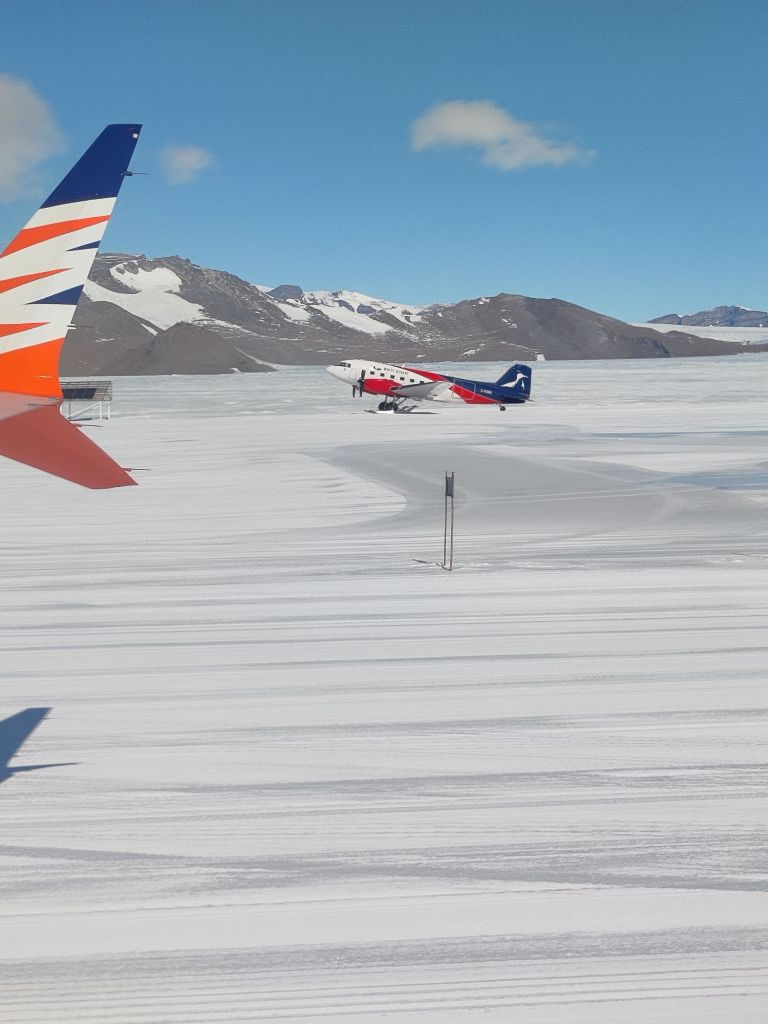
Operating in Antarctica is a bit like working in Greenland and also not at all like Greenland. In both places you have to be pretty flexible, self reliant and able to work in difficult conditions and across broad teams. It’s just much more extreme in terms of isolation, logistics, costs and everything else here in Antarctica.

We are extremely fortunate to be so well- supported by such a great crew and it is important to me that we repay that investment with some excellent science results.
So far though, we’ve been laying the groundwork, getting our safety training done, testing some new coring equipment, unpacking and testing the LISA box and learning how to use the arks (a kind of plastic shell on skis that we will use for camping in while out of the station) and preparing for what I believe is sometimes called “deep field” (perhaps a touch melodramatic for what is basically camping).
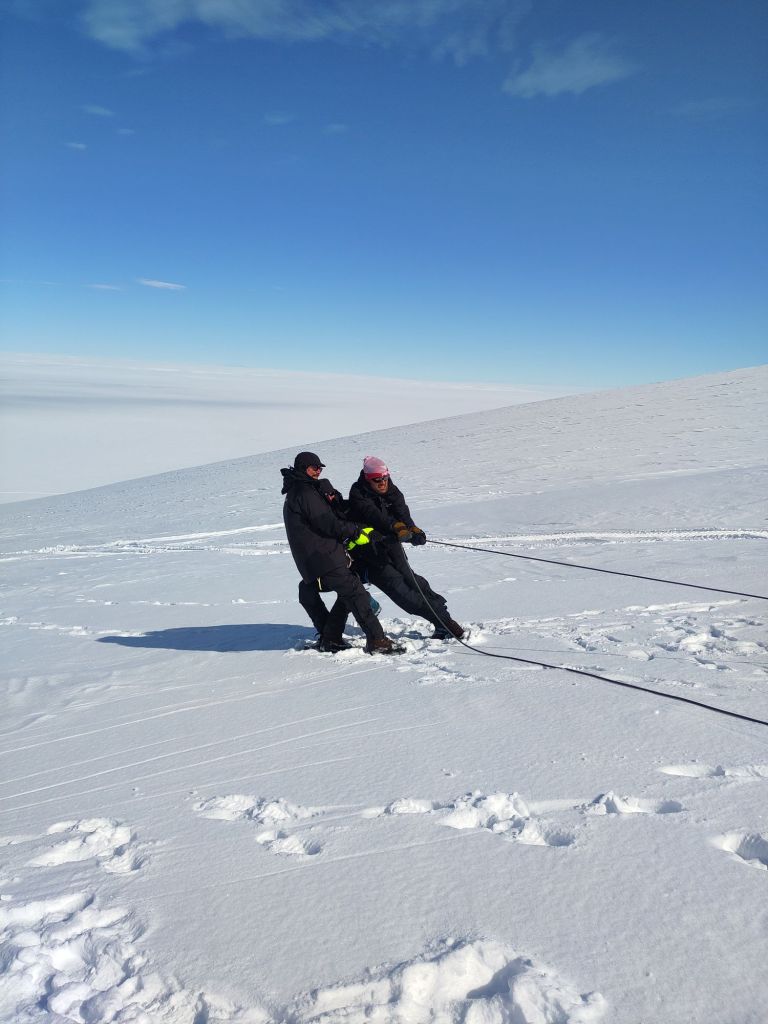
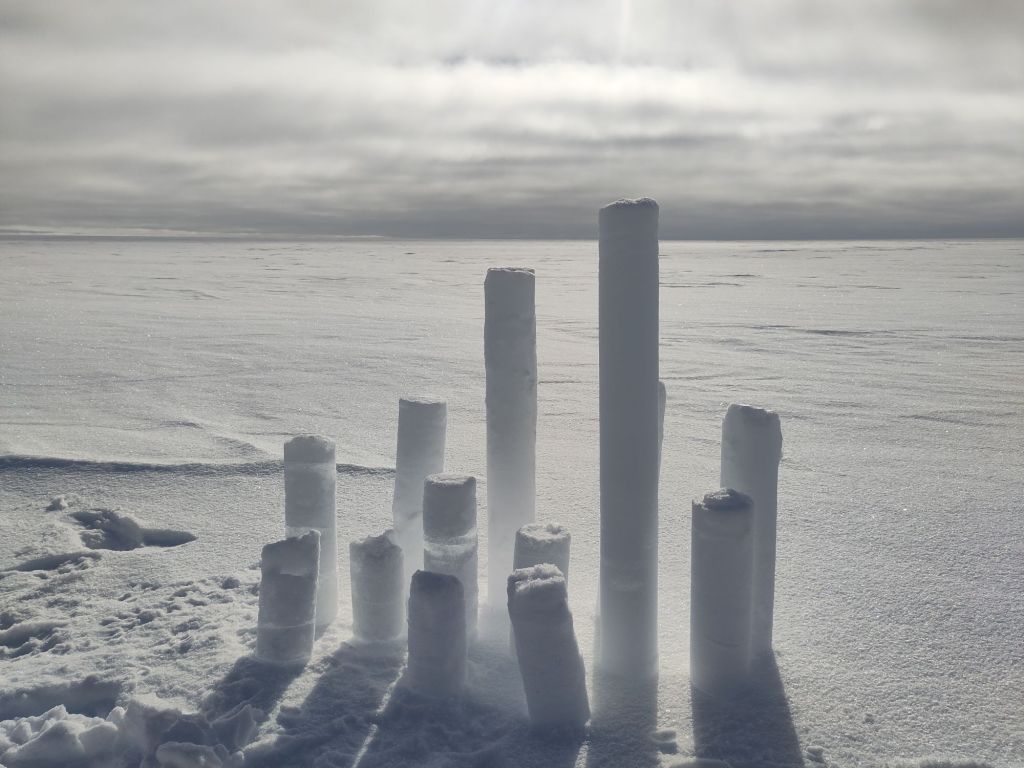
We’ve also tested some new drilling equipment, finding some very interesting firn features in the process, including several thick ice lenses in a region we didn’t expect.
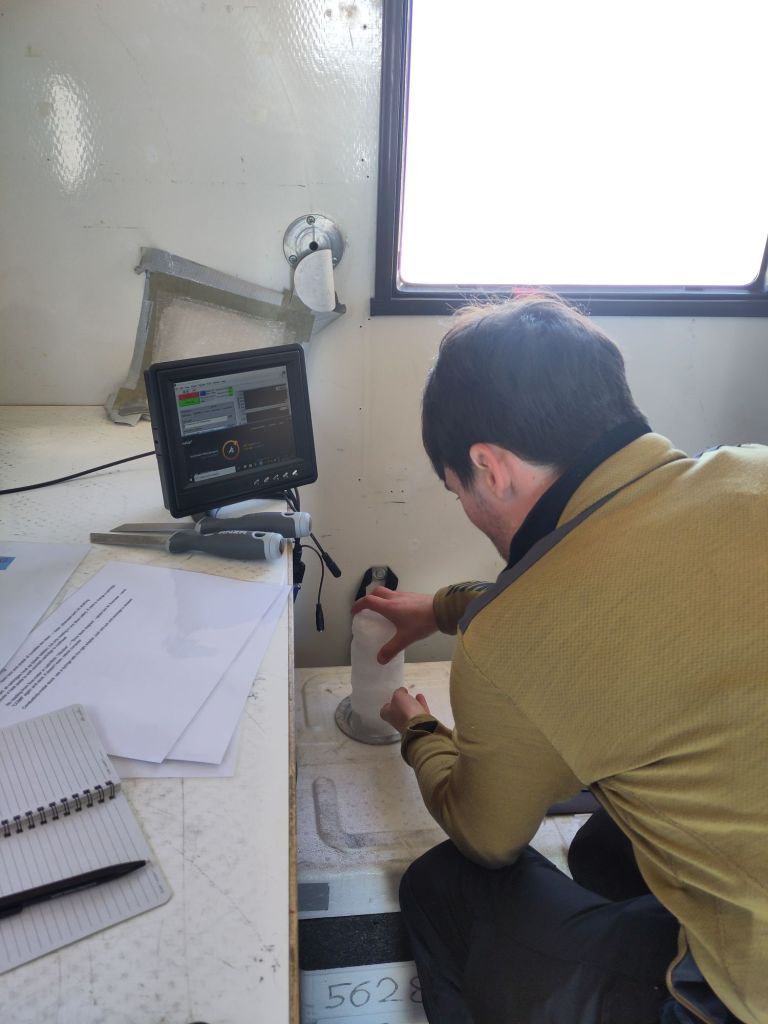
There have been a few anxious moments around our old friend LISA. She is a complex machine with many pieces that can go wrong but finally at 9.30 this evening Clément managed to get her working. In a tiny “lab” but one with a great view. A huge relief all round (and hopefully field operation will be more straightforward now we’ve had some practice).
Tomorrow will be mostly packing up and preparation for a few days away, so Christmas Eve will likely find us camping out on a glacier somewhere working away. Weather permitting of course. So far we’ve been pretty lucky with that and we need to make the most of it while it lasts.
So that was a quick field update, it’s been pretty busy and a bit weird to think I’ve only been here 3 days so far. I’ve already slipped into field mode and slightly lost track of time.
The next update will probably be after Christmas, but I’m posting pictures as we go along to my pixelfed account. There are also some nice entries on the official iQ2300 expedition blog.
 Sterna Paradisaea
Really enjoyed this field update and hearing how the team is adapting to life in Antarctica while pushing forward with important research. It’s inspiring to see how logistics and the right gear can make challenging environments feel manageable. Just like field scientists rely on dependable equipment out on the ice, professional technicians depend on reliable coax coring tools that stand up to tough conditions. Consistent performance and comfort in tools make all the difference when settling into demanding work settings.
LikeLike