
LISA is alive! Kind of. We had a really good field test of the system in this, our first week in Antarctica (though thank goodness for satellite wifi connection** to the rest of the world so LISA’s genius creator Helle Kjær could assist in troubleshooting). It was a bit of a struggle and I would say we came out partial winners, with a much deeper understanding of how the box is actually put together and more importantly some really interesting data (yay!) that Clement is busy processing already – I’m very excited to see how it turns out as it will help to direct our following field sorties.
This is the first field deployment of LISA in Antarctica, and even if she didn’t give up all the secrets of the snow, it’s still an achievement worth celebrating that we got half of it, and an interesting half too.
We chose a coring site around 60km from Wasa, so it was a long slow snow-scooter tour up Plogbreen (the plough glacier – named after our neighbouring nunatak Plogen, the plough) and on to the flat plateau of Ritscher Flya at about 1000m elevation.
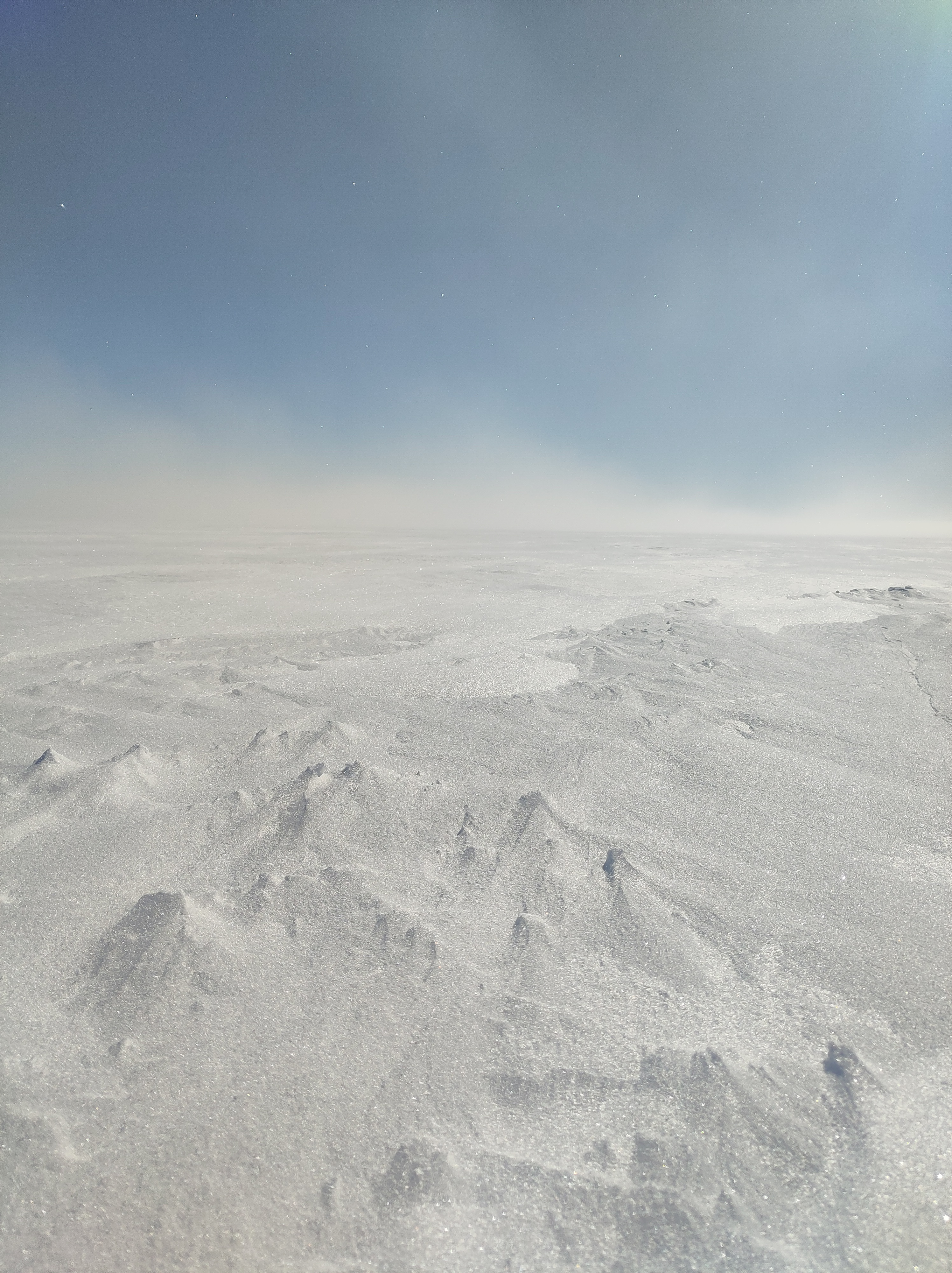
It was a pretty wind and snowy site, in a katabatic wind zone (thankfully not too strong on this trip), which was intentional, as one of the aims of our study is the effects of strong winds on snow accumulation. As preparing to leave took most of the day (especially doing the chemistry mixes for LISA), we headed up in the afternoon and then stayed out overnight in these fantastic little cabins on skis.
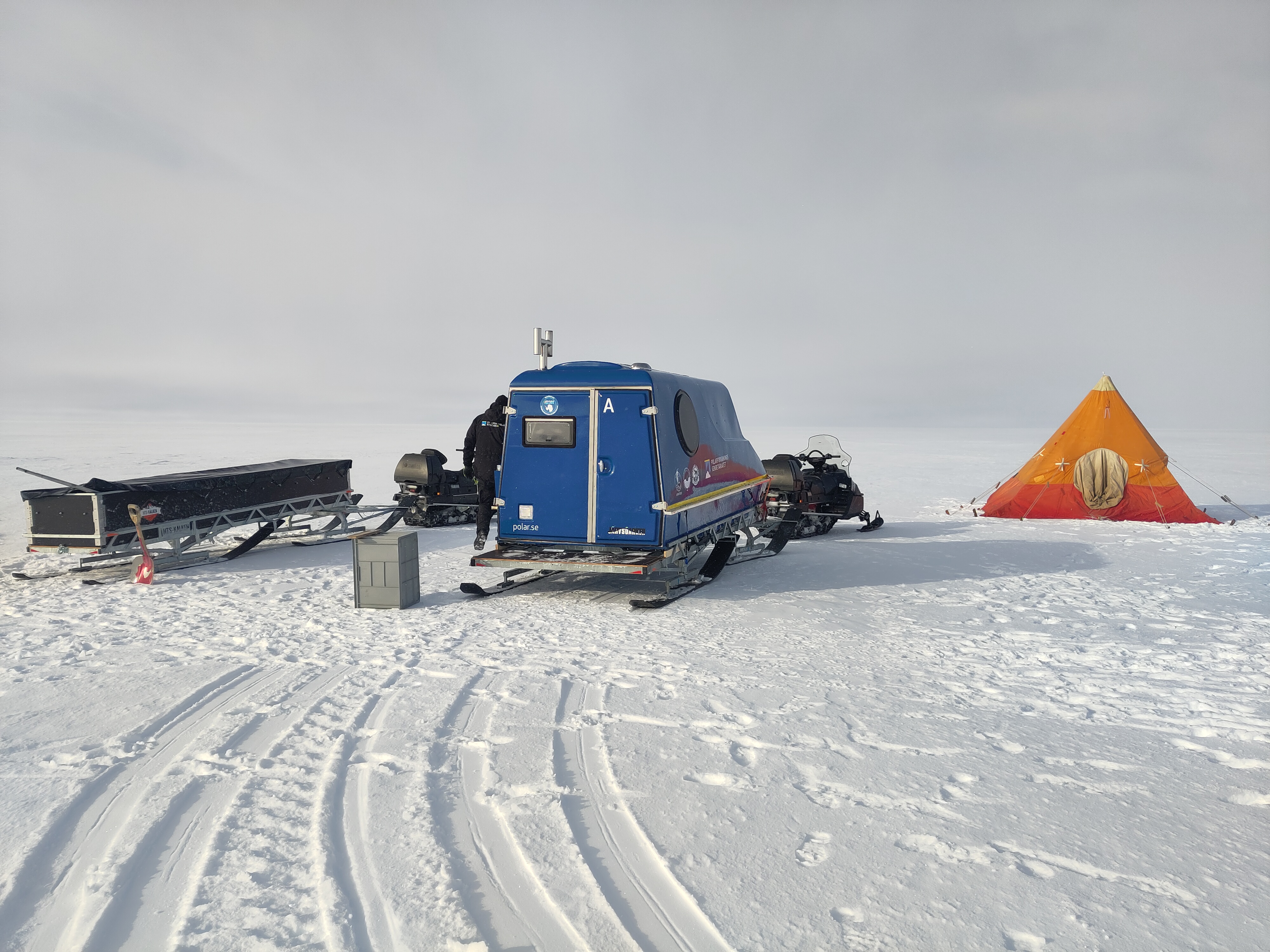
The Polar Research institute in Sweden calls them arks and they are really a very nice solution to the problem of cold and wind and trying to work in quite extreme conditions. Pulled by a snow-scooter and with a stove inside for melting snow and heating, they’re really very cosy to sleep in and it makes a big difference to be able to warm up when for example you’ve been sitting in a snow pit at -15C with a hefty wind chill on top and are covered in spin drift snow (as me how I know).
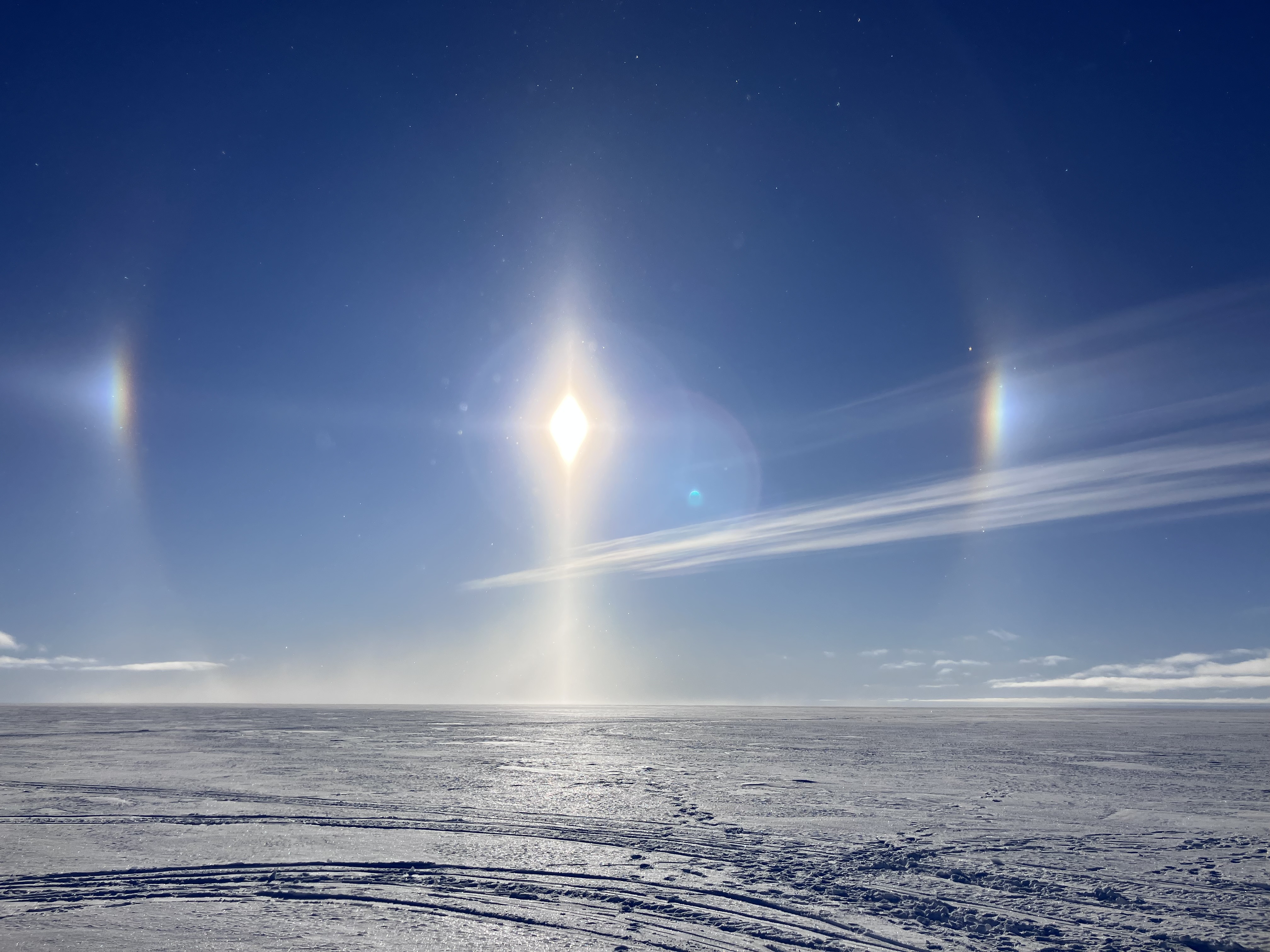
We were greeted by this beautiful halo around the sun upon waking, with sun dogs on either side, caused by the ice crystals in the sky. In fact we nick-named the site diamond dust because of the clear sky precipitation on the first morning.
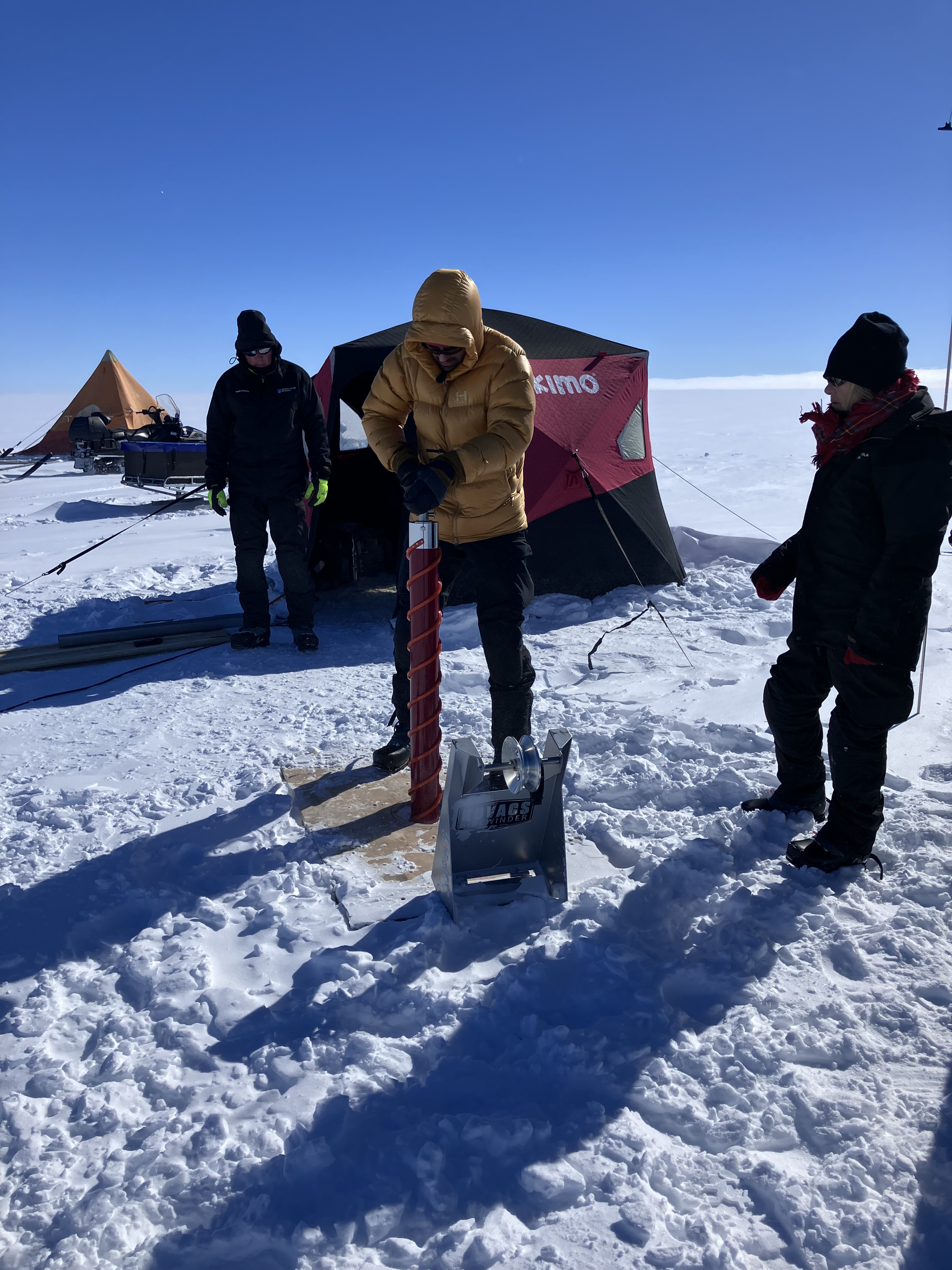
We soon got into a good rhythm with Henrik driving the coring, Clement logging and Ninis and myself assisting with the cores.
And then it was time to get LISA going and a very long and slightly frustrating day followed. Thankfully, by bedtime and having reconstructed quite a lot of the inner tubing of the box, we got LISA ready for work the next day.

I dug a snow pit – always one of my favourite activities, it’s good to get your hands in the snow and really feel what is going on, and we identified some really intriguing layers. Lots more work to be done there to work out what is going on.
As added entertainment, Ninis was interviewed live from the top of the ice sheet by Swedish TV live from the fieldcamp (check out God Morgon Sverige on TV4, 23rd December if you’re interested). However, after 2 nights out it was time to pack up and head back, 3 cores worth of data richer, for a shower, laundry and a Christmas Eve day off.
On Christmas eve daytime it was my turn with a brief 2 minutes to explain our project on Danish TV2 news (at 12.15 CET in case you have an account and would like to see me looking wind swept). Juleaften, Christmas Eve, is the big day of celebration in the Nordic countries, so we took an almost day off, doing some washing, cleaning the living modules and enjoying plenty of good food courtesy of the Swedish chef Raymond who prepared a Christmas dinner feast later, perfect after a long Christmas hike over the nunatak.
Field Photos
Given the current state of the US administration I think it’s worth thinking about what services we use, to become less dependent on US tech and social media companies. Therefore, I’m sharing photos over on pixelfed while we’re out here, in case you want to see more field photos, though sharing is a bit intermittent as it depends on the internet link and due to the expense of the data, we’re trying not to use too much.
I am also posting over on blue sky, though there is much that makes me uneasy about that platform, so I will keep posting on the fediscience server on mastodon too (and indeed the quality of interaction is often better there strangely, given I feel that the platform is smaller than blue sky).
*The Swedish research station Wasa is located on a nunatak in Antarctica called Basen (it’s pronounced Baasen, like the sound a sheep makes in english)
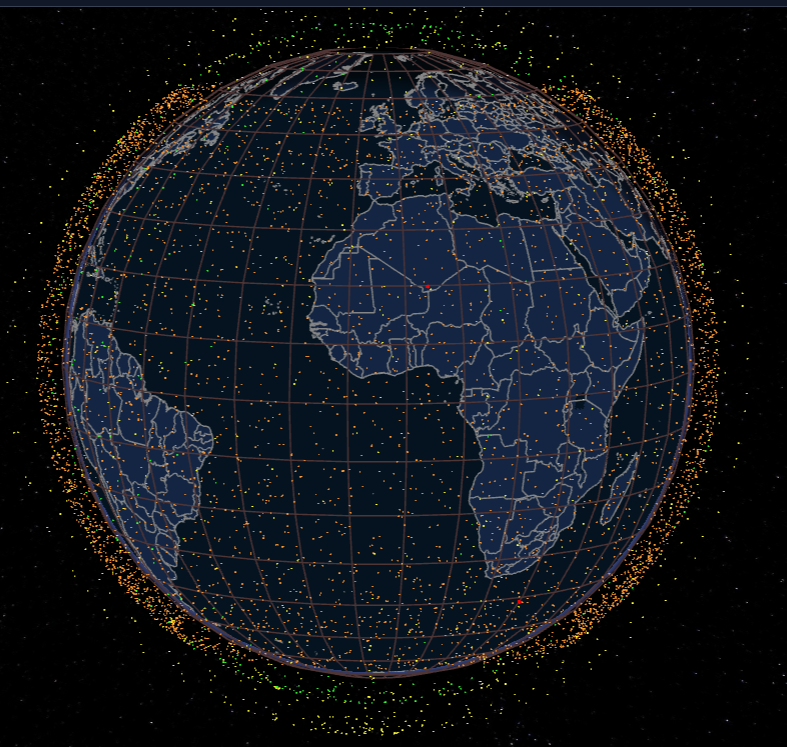
**Yes we are on starlink. It’s incredibly impressive performance wise, but I’d rather not be supporting the nazi man-child, the sooner Eutel Oneweb makes an alternative for users like us, the better, though preferably without this polluting a footprint in low earth orbit. In fact if any EUTEL folks are reading this, I’d be delighted to test out a lightweight system for polar field scientists for you 🙂
 Sterna Paradisaea
great sun dogs image, Ruth! How many fists are they from the Sun?
LikeLike