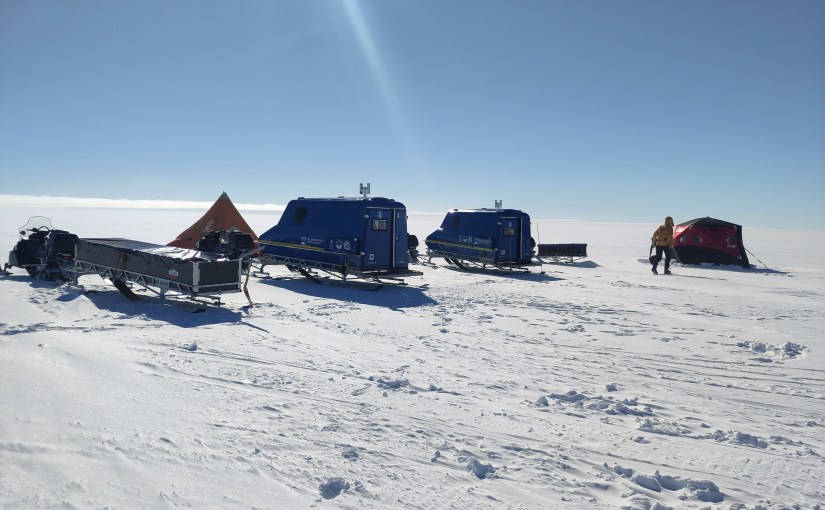
For the past few weeks I have been sitting on some news, which turns out to be a surprisingly difficult thing to do when part of your job is literally talking to people about science. Today the embargo has finally lifted: the European Research Council has announced its 2026 Synergy Grants, and I am delighted (and, if I’m honest, more than a little daunted) to say that one of the 48 projects funded is ours: SKUA — studying the known unknown of Antarctic ice shelves, to the tune of €14 million over the next six years.
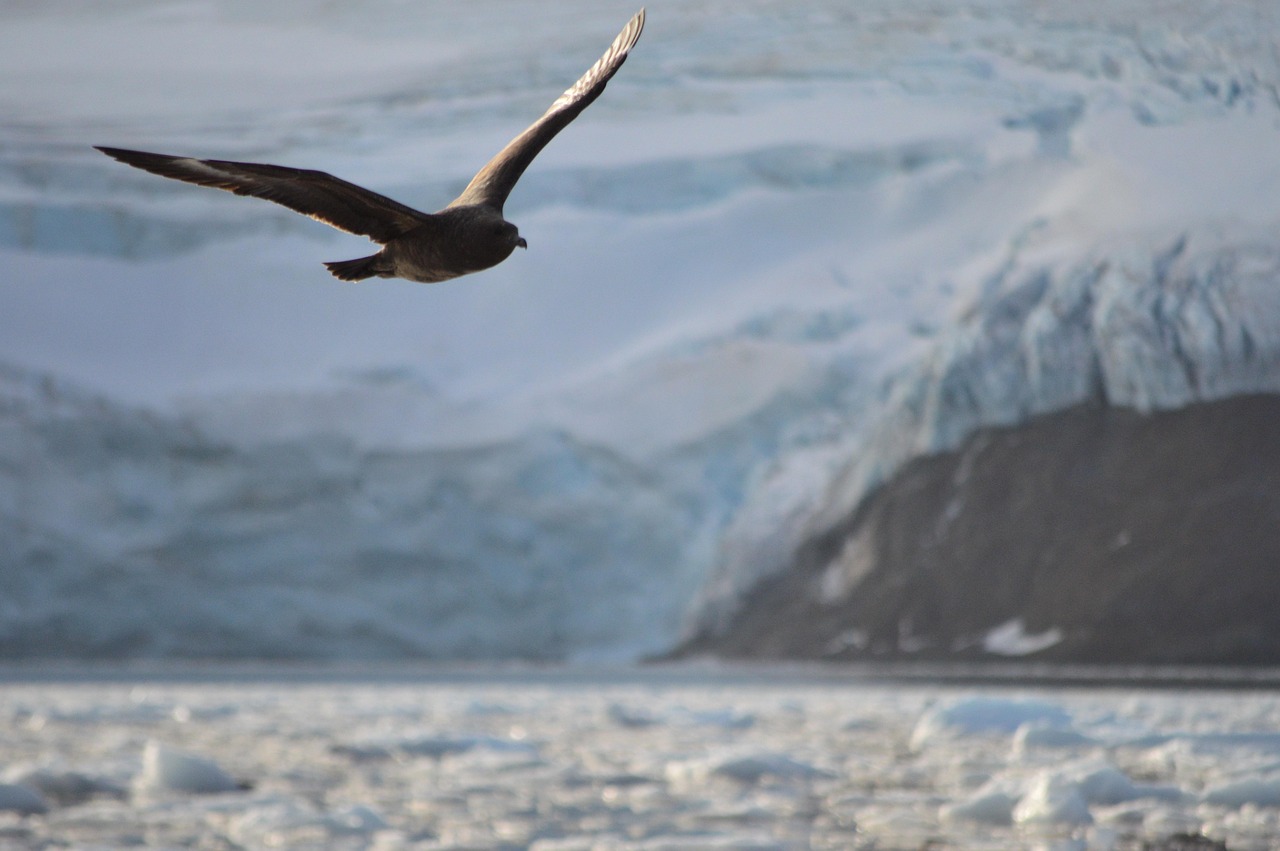
(A skua, by the way, is the big, brawny, occasionally larcenous seabird you find hanging around sea bird colonies in the polar regions, nicking other birds’ lunch. Long-time readers of this blog will be unsurprised I am naming things after polar seabirds, though I swear this name had nothing to do with me!)
What’s the known unknown?
Ice shelves are the floating aprons of ice that fringe roughly a third of the Antarctic coastline. They matter because they hold back (“buttress”, in the ice sheet modellers’ jargon) the ice on land. Remove them, and the glaciers behind them flow faster into the sea, which is how Antarctica raises global sea levels. Remember the ice shelves are floating so their direct consequence on sea level rise if negligible, but we have argued in the proposal that the true tipping point of Antarctica under climate change is the disappearance of those ice shelves – this is when the continent’s ice, and those of us living close to sea level are really in trouble..
We can watch ice shelves pretty well from space these days: where the surface melts (mostly), where the crevasses are, how fast they flow. What we mostly can’t see is what lies beneath, where the ocean meets the underside of the ice. Think of an ice cube in a glass of cola: the top is clear ice, the bottom is a mystery. Warm water can quietly eat away at the underside of a shelf that looks perfectly healthy from above. We can somewhat measure it from satellites, and we can somewhat model these processes, but there are huge uncertainties around these data and around what happens as the oceans warms. And those are just some of the known unknowns. What is the role of the atmosphere is stabilising or accelerating melt? Can we accurately measure the ice properties and the fractures internally within the shelf? We need to start thinking of ice shelves as a whole earth system process and that’s what we’re hoping to spend the next 6 years doing.
Enter SKUA
SKUA brings together four of us, with four very different toolkits, and one question: when does a stable ice shelf become an unstable one? And I am super-excited to work with such a great team, that almost goes without saying
- Anna Wåhlin (University of Gothenburg) is our ace lead-PI, a physical oceanographer who will send an autonomous underwater vehicle — the newly built Ran II — under the ice to map the ocean cavity and measure the warm water getting in.
- Peter Davis (British Antarctic Survey) will use hot-water drilling (the same system his team used at Thwaites) to bore through several hundred metres of ice and put sensors directly into the ocean underneath.
- Roderik van de Wal (Utrecht University) will take all those observations and feed them into ice sheet models, so we can turn measurements into predictions.
- And me, at DMI, running the ultra high resolution atmospheric and ocean modelling side as well as indulging my interests in some cool satellite and machine learning developments and the development of a whole new LISA box, after some fantastic results from this field season..
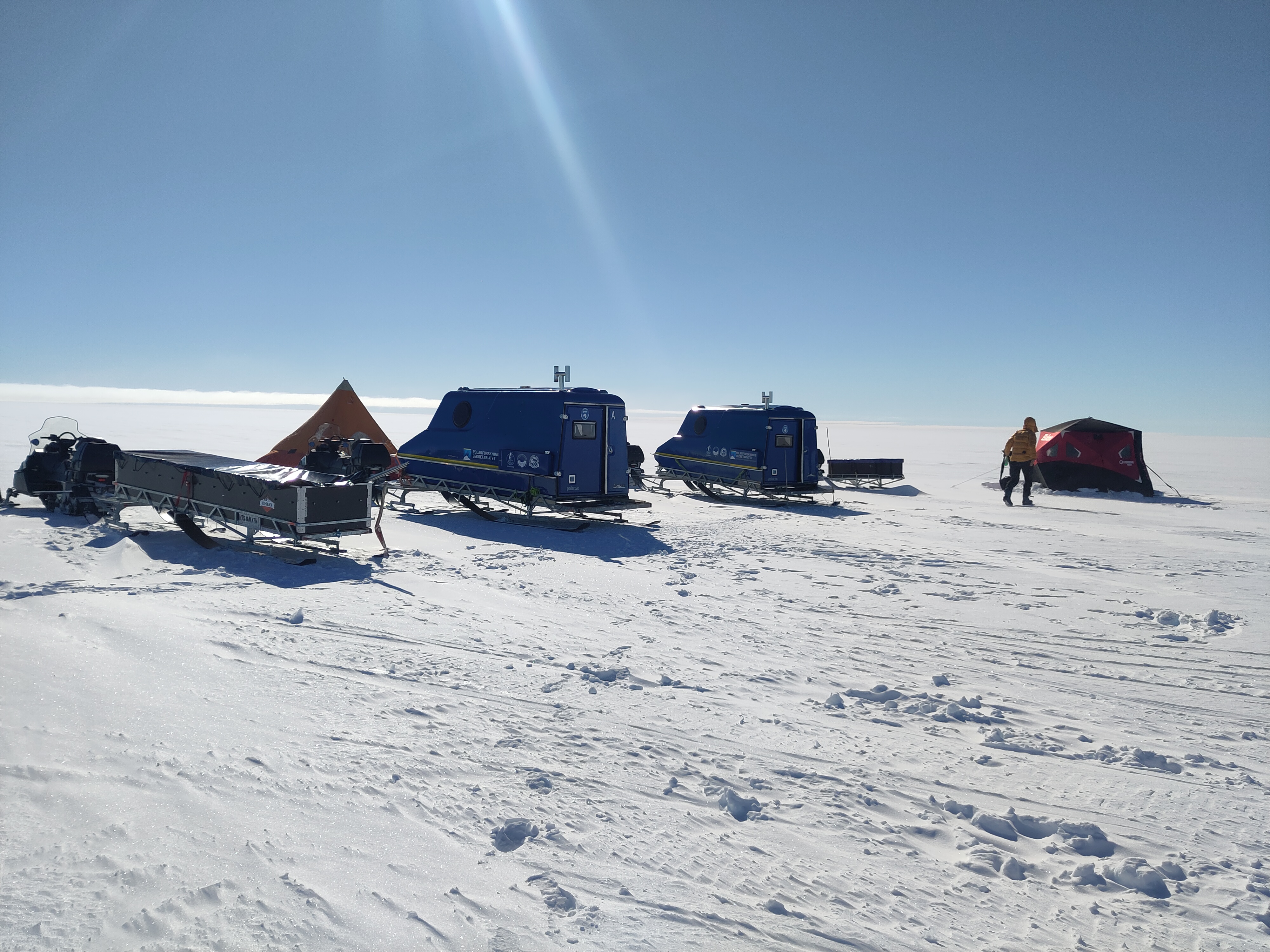
Our target is the Riiser-Larsen ice shelf , a 400 km long East Antarctic shelf, somewhat bigger than Denmark (admittedly, we’re very small), with two icebreaker expeditions and quite a lot of on ice shelf fieldwork planned. It’s a place I was privileged enough to visit as part of my collaboration with Swedish institutes in the iQ2300 project*. Between us we’ll also be hiring 5 PhD students and employing 11 postdocs across the four institutes (all co-supervised between the four of us, which is very much part of the Synergy spirit).
This is really just an announcement post — I’ll write a proper, detailed one when the project formally starts in February with a lot more detail on our plans and the motivating science behind it. In the meantime, you can read the ERC’s announcement and the project description on their website and a bid in danish from DMI here.
So, massive thanks to all the people who helped us get here, and now it’s sleeves up time and on with the science..
As always, questions and comments welcome here or on mastodon
*And many thanks to Novo Nordisk Foundation who have co-funded our contribution to this huge international programme via the PRECISE project.

